
Hook: Have you ever stared up at a spreading water stain and instantly wondered: “Is my roof failing, or is there something else I’m missing?” Water coming through your ceiling is alarming, but the real answer is rarely as straightforward as it seems. Uncovering the true cause is crucial — not just to stop the water, but to protect your home and save yourself from bigger headaches down the road.
Water Coming Through My Ceiling — Is It the Roof? Understanding the Problem
When you see water leaking from your ceiling, the natural reaction is to blame the roof. However, in reality, water can travel a surprisingly long distance before revealing its presence as a water stain or an active leak inside your home. This means the leak’s entry point seldom aligns with where you actually see the water damage. Discerning the true source of the leak is essential to prevent repeat damage, costly repairs, and health hazards such as mold growth.
A proper roof inspection is needed but shouldn’t be your only step. Leaks can happen from a variety of sources, including plumbing issues, condensation in the attic, or even clogged gutters. Acting quickly not only limits water damage but also helps distinguish between short-term surface issues and deeper structural concerns within your home. Professional diagnosis is key to truly solving the problem and not just masking the water stains or brown spots that signal moisture intrusions.
“Water doesn’t respect straight lines. The point where it appears is often far from where it actually enters.”
What You’ll Learn: Identifying Causes and Solutions for Water Coming Through Your Ceiling
-
The most common sources of water coming through your ceiling
-
How to distinguish a roof leak from other causes
-
Key steps to take immediately if you notice water stains or water leaking
-
How to interpret water stains and other warning signs
-
An overview of insurance coverage for ceiling leaks
Common Causes of Water Coming Through My Ceiling — Is It the Roof Leak?
Several factors can lead to water coming through your ceiling, but it’s critical not to jump straight to a roof replacement or major roof repair before evaluating all possibilities. While roof leaks are a frequent culprit, plumbing leaks, clogged gutters, attic condensation, and even ice dams play significant roles. The exact source determines the solution — whether it’s working with a roofing contractor to fix damaged shingles or addressing a burst pipe with a plumber. Accurate identification prevents unnecessary repairs and ensures your home’s safety.
It’s also important to note that ceiling leaks can develop suddenly during events like heavy rainfall, or occur slowly over time due to gradual roof damage, plumbing failures, or blocked water drainage. Each of these brings its unique risk for water stains, brown spots, and persistent water damage if not resolved promptly.
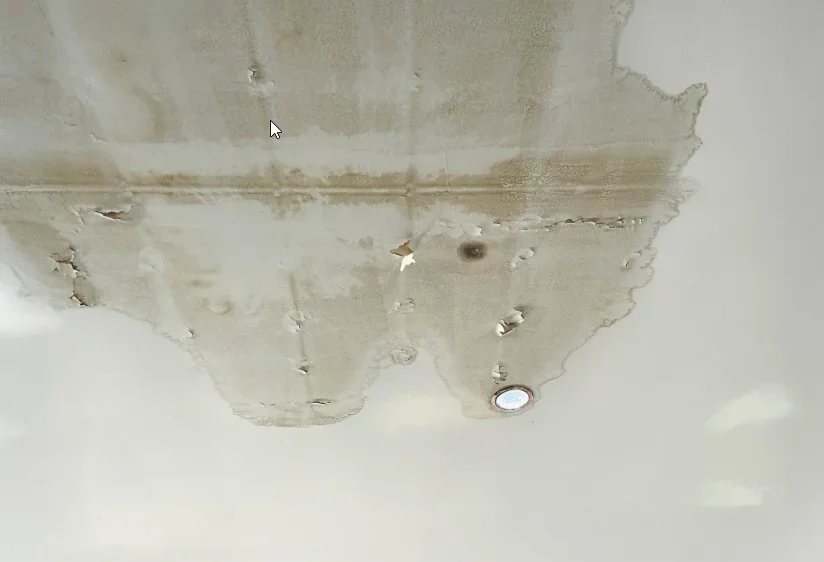
-
Roof leak: Damaged shingles, failed flashing, and improper roof penetrations allow water to enter.
-
Plumbing leak: Burst pipes or broken fittings above ceilings can saturate drywall and create visible water stains.
-
Clogged gutters: Water backs up under the roofing during storms, contributing to ceiling leaks and roof damage.
-
Condensation or moisture accumulation: Poor attic ventilation leads to damp insulation and water seeping back through the ceiling.
-
Ice dams: In winter, melting snow refreezes at roof edges, forcing water beneath shingles and into the home.
When evaluating the source of a ceiling leak, it’s easy to overlook the impact of improper roof features or installation errors. For example, issues like missing or poorly installed chimney crickets can allow water to pool and eventually seep into your home. If you suspect your chimney area might be a weak point, learning more about how a chimney cricket prevents leaks and protects your roof can help you spot and address these vulnerabilities before they cause major damage.
Tracing the Source: Roof Leak vs. Plumbing Leak vs. Moisture Condensation
Water can travel along hidden pathways inside your home — making it especially difficult to determine whether the leak is coming directly from a compromised roof, a faulty plumbing pipe, or relentless humidity leading to attic condensation.
To effectively address ceiling leaks, you must trace the water backward. Often, homeowners discover after a minor repair that the leak returns, highlighting that surface fixes don’t address root causes. Each type of problem requires a different approach, so let’s examine how water enters through roofs, pipes, and condensation.
Roof Leak: How Water Finds Its Way to Your Ceiling
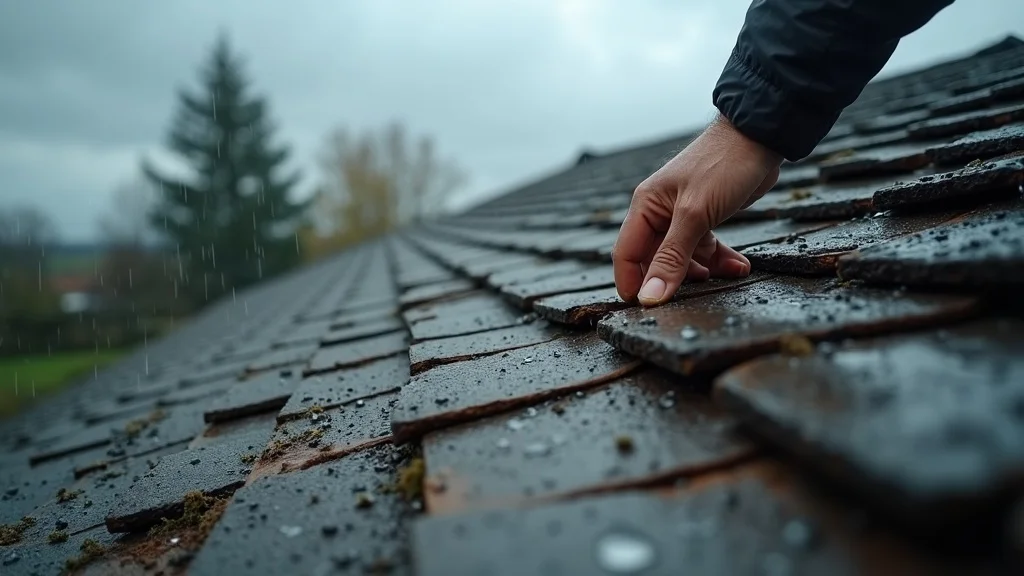
A roof leak can be deceptively complex. Water may enter through damaged shingles, cracked flashing, or poorly sealed roof penetrations like chimneys and vents. From there, it runs along rafters, collects above insulation, and finally slips through to the ceiling below, often far from the original breach. Even small cracks or missing granules in roofing materials can, over time and after heavy rainfall, allow water to infiltrate and create ceiling stains or drips.
Roof leaks most frequently occur at vulnerable points: valleys, chimney bases, skylights, and anywhere roofing material is cut for gutters or pipes. The path water takes is rarely straight. It may follow framing or pool on the underside of the roof deck before saturating attic insulation. Over time, repeated leaks can cause brown spots, bubbling plaster, and sagging drywall. Addressing a suspected roof leak demands detailed inspection of both the surface and underside, ideally performed by a skilled roofing contractor with experience tracking tricky water leaks.
Plumbing Leak or Clogged Gutters: Hidden Threats to Your Home
Plumbing leaks introduce water directly above the ceiling, resulting in clear wet lines around pipes, sudden puddles, and sometimes catastrophic bursts—especially in winter when frozen pipes thaw. Unlike roof leaks, plumbing leaks can occur at any season and may even result from minor cracks in fittings or corrosion over time. Burst pipes are especially notorious for abrupt, widespread water damage, often showing up as a collapse or a brown spot that grows rapidly.
Clogged gutters, on the other hand, are often overlooked but can be just as dangerous. If gutters are blocked by leaves, debris, or ice, rainwater or melting snow backs up, flowing sideways and seeping beneath roof shingles. This produces leaks that mimic roof failure, though the root cause is inefficient water drainage rather than compromised roofing materials. Both scenarios require prompt action to prevent ongoing structural and cosmetic damage to ceilings and walls.
Moisture Condensation and Water Stains Mimicking Roof Leaks
Condensation in your attic is another common but confusing source of ceiling leaks. Warm, humid air rising from your home condenses on cold attic surfaces, saturating insulation and producing slow, steady drips that appear in winter or during major humidity swings. This often creates large, irregular water stains and musty odors without actual roof penetrations.
This scenario can be mistaken for roof leaks but is actually an indoor climate and ventilation issue. Persistent moisture accelerates mold growth, damages attic insulation, and ultimately seeps down to ceiling drywall. Preventing this means ensuring proper water drainage and ventilation above ceilings—reducing risk as much as fixing any exterior roof problem.
Recognizing the Warning Signs: Water Stain, Water Leak, and Water Damage
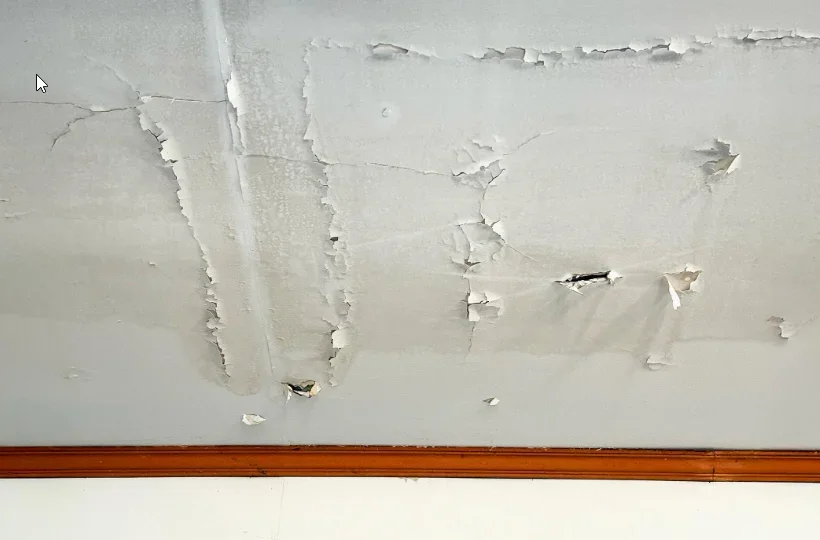
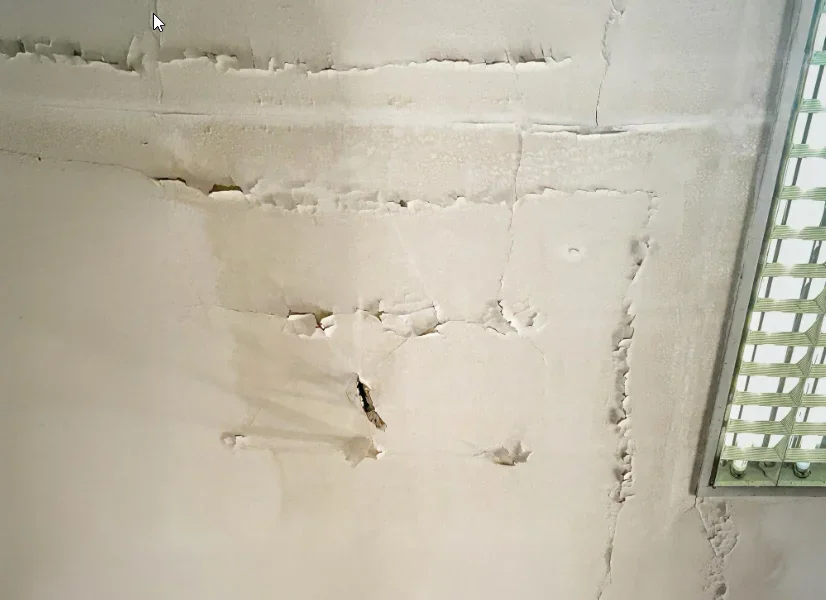
Recognizing early warning signs can help avoid more serious ceiling leaks or water damage. Whether you’re spotting a single brown spot or noticing regular wet patches that grow with each rainfall, learning to interpret these cues is critical for effective intervention. Water stains often signal ongoing leaks and may appear as fresh marks, gradients of discoloration, or even textured bubbling. Prompt attention can prevent costlier repairs and the secondary risks of mold and mildew.
Worsening conditions like musty odors, mold growth, or sagging drywall mean immediate action is needed. These often arise from chronic leaks, persistent humidity, or long-neglected roof or plumbing issues. Don’t wait—recognizing these signs could be the difference between a quick fix and major restoration work.
-
Fresh water stains or discoloration on ceiling or walls
-
Peeling paint, bubbling plaster, or water stains forming patterns
-
Dripping or pooling water
-
Musty odors and mold near the affected area
Why Water Leaking Through the Ceiling Stops — Then Comes Back
One of the most confusing aspects of a ceiling leak is its tendency to disappear, only to resurface later. This intermittent pattern hints at more than just a faulty roof covering. Fluctuations in temperature, humidity, and rainfall can affect the frequency and intensity of the leak, especially where heat loss and attic condensation are factors. This type of “on-again, off-again” water leak should never be ignored, as it usually points to ongoing problems that threaten your home’s structure and air quality.
Roof leaks can stop when the weather dries out, while condensation-driven leaks may vanish with improved ventilation. However, unresolved issues will always return. Surface-only repairs that ignore the true entry point or environmental trigger won’t provide lasting results and can lead to hidden mold or rot.
“When water disappears and then reappears, it’s often a sign of a bigger issue than surface damage.”
What to Do Immediately if Water Is Coming Through My Ceiling
If you’re faced with water leaking through your ceiling, every second counts. Your immediate actions can limit water damage and make insurance claims and professional repairs far simpler. Start by safeguarding your furniture and valuables: move them away from the drip zone. Place a bucket or plastic container directly under the leak to contain water and prevent further pooling or staining. Take clear photos or video of affected areas for documentation — this is crucial for both repair estimates and insurance purposes.
Never attempt a surface-only repair or just paint over a water stain. Water can travel laterally — addressing only the visible issue leaves underlying roof leaks, plumbing leaks, or condensation unresolved. Instead, stop gaps with temporary protection and arrange for a detailed inspection encompassing both your roof and the attic below.
-
Move valuables and furniture away from the leak
-
Place a bucket to catch dripping water
-
Document the damage for insurance
-
Do NOT attempt surface-only repairs
Quick Comparison: Roof Leak vs. Ceiling Leak from Other Sources
|
Quick Comparison: Roof Leak vs. Ceiling Leak from Other Sources |
|||||||
|
Aspect |
Roof Leak |
Plumbing Leak |
Moisture Condensation |
||||
|---|---|---|---|---|---|---|---|
|
Typical location entry |
Roof (shingles, flashing) |
Pipes, fittings above ceiling |
Attic, insulation |
||||
|
Signs |
Water stains, visible drip |
Wet lines around pipes |
Damp, musty insulation |
||||
|
Seasonal triggers |
Heavy rain, snow |
Burst pipes, frozen weather |
Humidity, temperature swings |
||||
How to Diagnose the Cause of Water Coming Through Your Ceiling
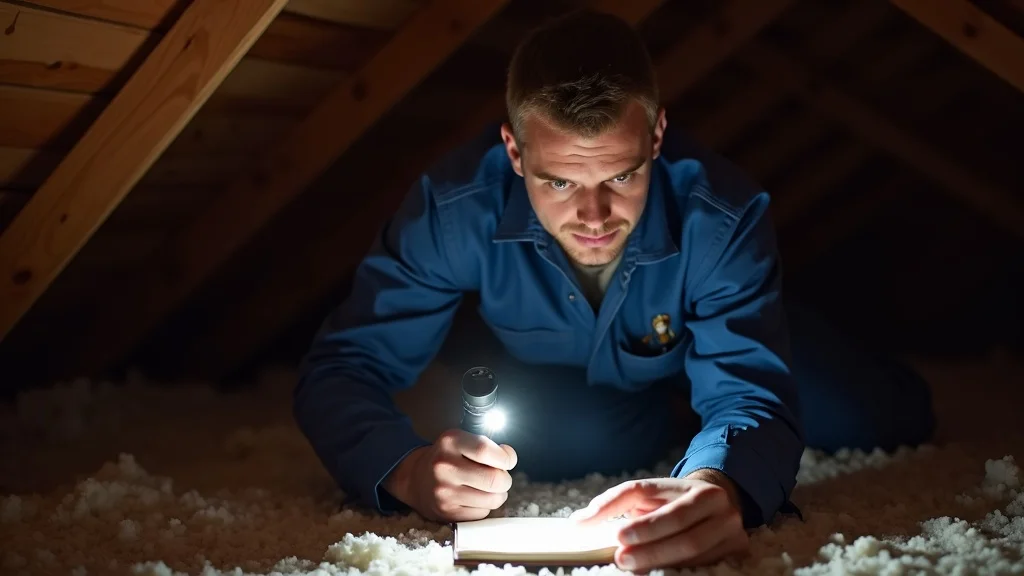
Solving water coming through your ceiling — is it the roof? — means being methodical. Start with an attic inspection for signs like damp insulation, visible daylight, or rot under the roof deck. Next, check all plumbing lines above the affected ceiling area for active leaks or corrosion. During or after a storm, look outside for overflowing gutters or ice dams, both common contributors to water stains and ceiling leaks.
Sometimes, even the most diligent homeowner cannot spot the real source. In these cases, bringing in a professional for a comprehensive roof inspection, moisture reading, and interior assessment is the only certain way to diagnose and resolve the root issue—ensuring a safe and dry living environment.
-
Inspect the attic for roof leak signs (wet insulation, water stains, daylight through the roof)
-
Look for plumbing leak evidence (wet pipes, moisture around fixtures)
-
Check for ice dams or clogged gutters — especially during or after storms
-
Hire a professional for a thorough inspection covering both roof and attic
Video Description: A step-by-step, narrated visual walkthrough showing a professional inspecting water damage in a home. Includes shots of wet ceilings, checking attic insulation, examining roof shingles, and using moisture meters. Close-up sequences of water stains and demonstration of using a flashlight to trace leaks. Solution-focused and reassuring in tone.
When to Worry: Serious Water Stains, Ceiling Leaks, and Long-Term Water Damage
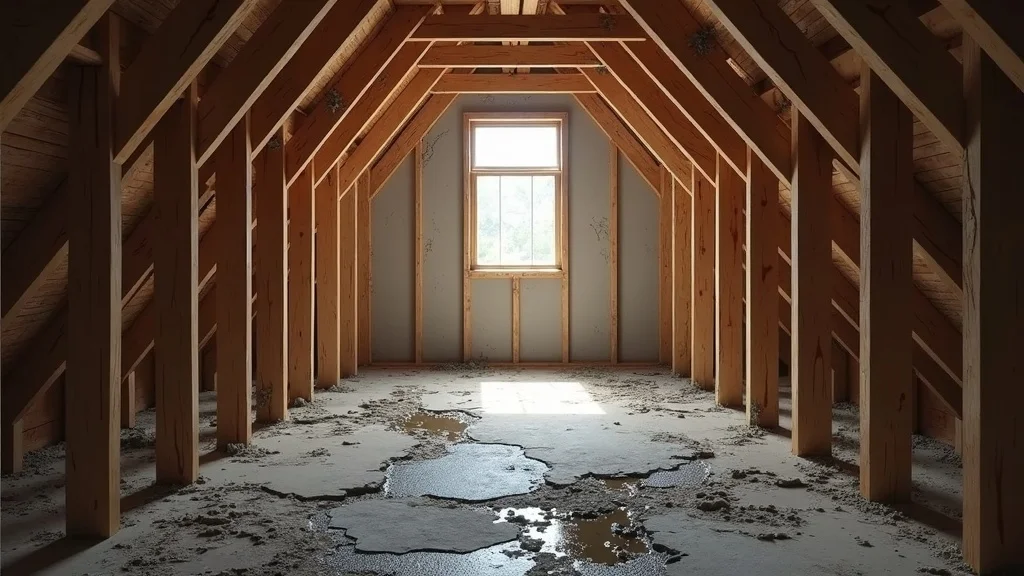
Some signs point to deeper troubles. Structural concerns like sagging ceilings, spreading stains, and grossly deteriorated wood mean the water problem has persisted for a while. The longer you wait to act on water leaks, the higher the risk of rot, collapse, and expensive reconstruction. Water from leaking roofs and plumbing lines can undermine the frame of your house, ruin insulation, and render drywall hazardous due to potential mold and mildew growth.
Mold growth and indoor air quality issues arise rapidly in wet conditions, leading to persistent musty odors, compromised health, and the potential for long-term respiratory illness. Spot these warning signals early — your health and your home’s structural integrity are at stake. Any ongoing or worsening water stains, ceiling leaks, or unexplained moisture demand immediate professional attention.
Structural Concerns from Persistent Water Leaks
Structural integrity matters. Persistent water leaks exhaust the strength of your ceiling’s drywall, warping or softening joists and destroying insulation. Once brown spots or active drips are visible, water has often traveled through several layers already. If left unresolved, structural beams may rot, drywall sags dangerously, and repairs become both extensive and urgent. In worst-case scenarios, these water leaks can result in ceiling collapse or irreversible home damage. Frequent assessment for roof damage, plumbing issues, and proper water drainage systems is essential.
Health Risks: Mold, Mildew, and Indoor Air Quality
Mold and mildew thrive where water remains, and even a single leak can create spreading spore colonies in as little as 48 hours. Mold growth not only stains ceilings with unsightly patches but also degrades indoor air quality, aggravating asthma and allergies. Children, pets, and those with compromised immune systems are especially at risk when ceiling leaks go untreated.
Persistent leaks — from roofs, plumbing, or condensation — raise humidity permanently, creating an environment where wood, drywall, and insulation decay. Tackling the moisture source is your only real defense against persistent odor and health threats.
Insurance & Repair: Does Homeowners Insurance Cover Ceiling Leaks?
Many homeowners expect their policies to cover any water leak, but not all ceiling leaks are treated equally. Sudden and accidental occurrences—like pipes bursting or severe roof damage from a storm—are usually covered. Neglected maintenance, such as a long-existing slow leak due to clogged gutters or deferred roof replacement, may be excluded. Carefully document all damage and consult your insurance agent for clarity on your policy. For the most complete coverage, act promptly, keep records, and invest in preventive maintenance now—before coverage is needed.
“Not all water leaks are covered equally. Know what’s in your policy before you need it.”
Video Description: Expert roofers and home inspectors demonstrate how to safely apply temporary leak barriers, gather evidence for insurance claims, and perform moisture measurements to determine the source of water leaks. Includes before-and-after shots and advice for ensuring follow-up repairs are comprehensive and lasting.
People Also Ask: Common Questions About Water Coming Through My Ceiling
What to do if water is coming through the ceiling?
If you see water coming through your ceiling, act quickly: move your belongings out of the way, contain the water with a bucket, and call a professional. Don’t attempt surface-only repairs—water may be traveling far from its source.
What happens when water leaks through the ceiling?
When water leaks through the ceiling, it can cause stains, structural damage, mold growth, and deterioration of your home’s finishes. The longer it goes unresolved, the more extensive and costly the repairs may become.
What are signs of a serious ceiling issue?
Serious ceiling issues include sagging drywall, spreading water stains, ongoing drips, persistent dampness, and visible mold. Any of these require immediate professional assessment to prevent further water damage.
Does homeowners insurance cover ceiling leaks?
Homeowners insurance may cover sudden and accidental water leaks but typically excludes damage resulting from neglect or long-term issues. Review your policy carefully or consult your agent to understand your coverage.
FAQs: Water Coming Through My Ceiling — Is It the Roof or Something Else?
-
How can I tell if the water is from the roof or plumbing?
-
Is it safe to stay in the room with an active ceiling leak?
-
Will painting over water stains prevent damage?
-
How quickly should I contact a professional after noticing a leak?
Key Takeaways: Addressing Water Coming Through Your Ceiling
-
Don’t assume all ceiling leaks are roof leaks—trace the real source
-
Act quickly to limit water damage and mold risk
-
Professional diagnosis is the surest way to solve both the symptom and the problem
The Real Solution: Fixing the Source of Water Coming Through Your Ceiling
-
Identify the source — is it roof, plumbing, or condensation?
-
Protect your home while waiting for repairs
-
Invest in professional inspection and repair
-
Take preventive measures to avoid repeat leaks
Reach Out: Stop Water Coming Through Your Ceiling — Call Us Today
Don’t wait for more water damage. Call us at 716 284 1322 for expert inspection and repair when water is coming through your ceiling — is it the roof?
If you’re committed to keeping your home safe from leaks and water damage, it’s wise to look beyond just the immediate repair. Understanding the most common roofing mistakes can help you prevent future issues and extend the life of your roof. For a deeper dive into proactive strategies and expert advice, explore our guide on the top roofing mistakes homeowners in Western New York should avoid. By learning what to watch for and how to maintain your roof, you’ll be better equipped to protect your investment and enjoy lasting peace of mind.
Conclusion: Take leaks seriously—act fast, trace the real cause, and call in an expert to ensure your home stays safe and dry.