
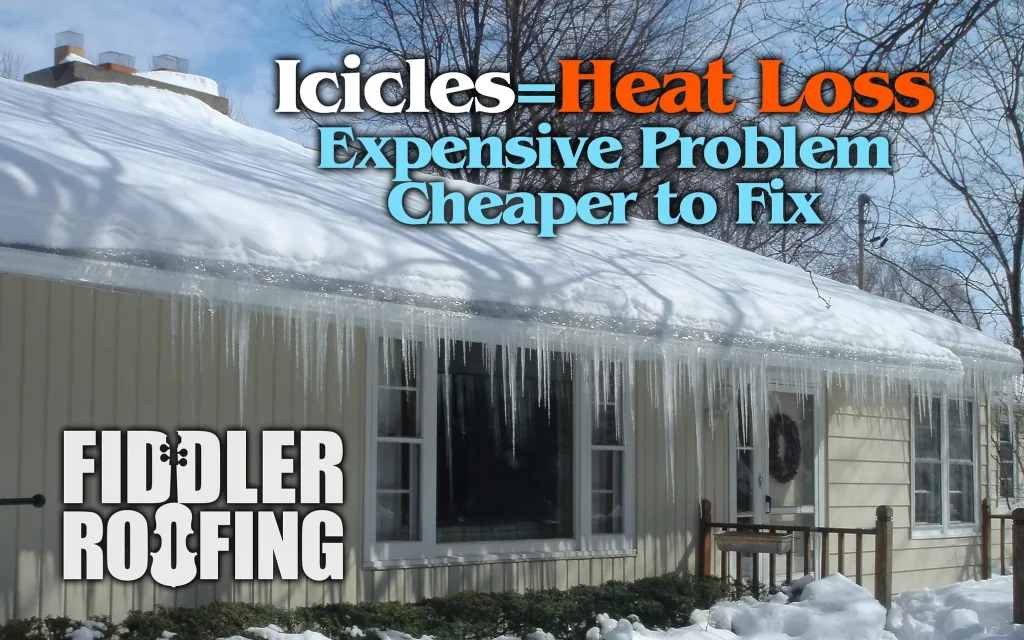
Did you know that nearly 70% of winter gutter issues are traced back to unaddressed icicles? These icy hangers aren’t just a pretty winter scene—they’re nature’s way of warning you that hidden problems may be lurking in your home. If you’ve ever marveled at sparkling icicles on your gutters, it’s time to look closer—they could be signaling heat loss in your attic and even hinting at potential property damage. Ignoring these signs can result in serious headaches down the line.
Unveiling the True Meaning of Icicles: A Startling Signal
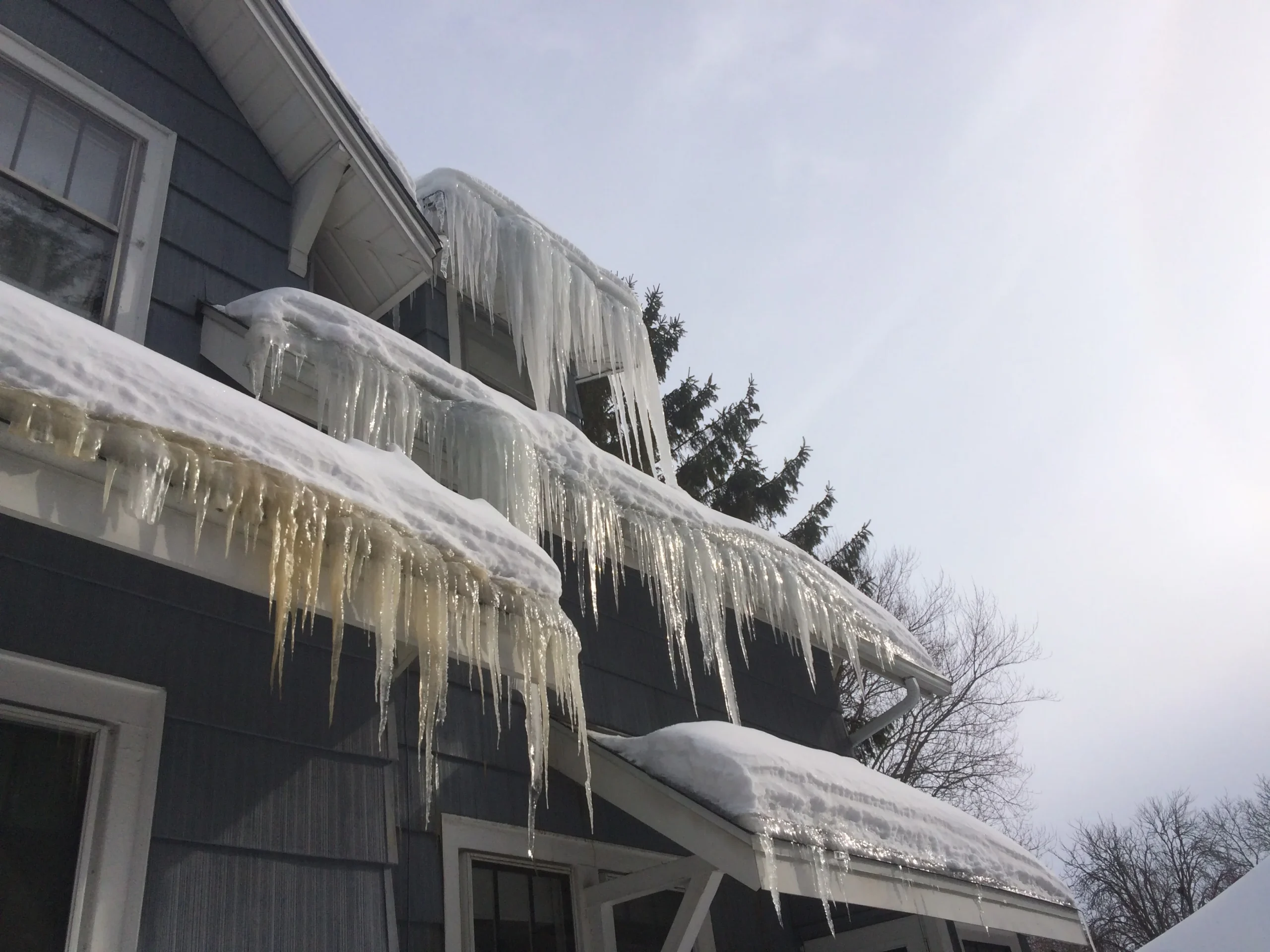
At first glance, icicles may seem harmless—even picturesque in their wintry beauty. However, when icicles form on the edge of your home’s roof or gutters, they are more than just frozen decorations. Their presence signals that warm air is escaping from the house, melting rooftop snow, which then refreezes as it hits the colder gutter edge. This process is not random; it’s a classic sign of hidden heat loss, most often through inadequate insulation or poor ventilation in your attic. Left unaddressed, icicles are a red flag, alerting homeowners to underlying problems that can lead to water intrusion, mold, and costly repairs.
Recognizing icicles as a warning sign early on is essential for every homeowner concerned about preserving their property and reducing winter utility costs. By understanding what these icicles reveal about your home, you gain key insights—it’s a chance to act before minor issues spiral into significant structural damage. The presence, size, and frequency of icicles offer visual proof of where your home may be losing energy. Early attention can help prevent ice dams, water seepage, and even structural rot, underscoring the value in treating icicles as a crucial symptom—not just a seasonal occurrence.
“Nearly 70% of winter gutter issues are traced back to unaddressed icicles, signaling hidden heat loss and potential property damage.”
What You’ll Learn About Icicles and Home Safety
-
Why icicles form on roofs and gutters
-
The hidden messages icicles send about your home
-
How to differentiate between a harmless and a warning sign icicle
-
Steps to prevent and address icicle formation
-
Expert opinion on long-term risks of ignoring icicles
Why Icicles Form: The Science Behind the Warning
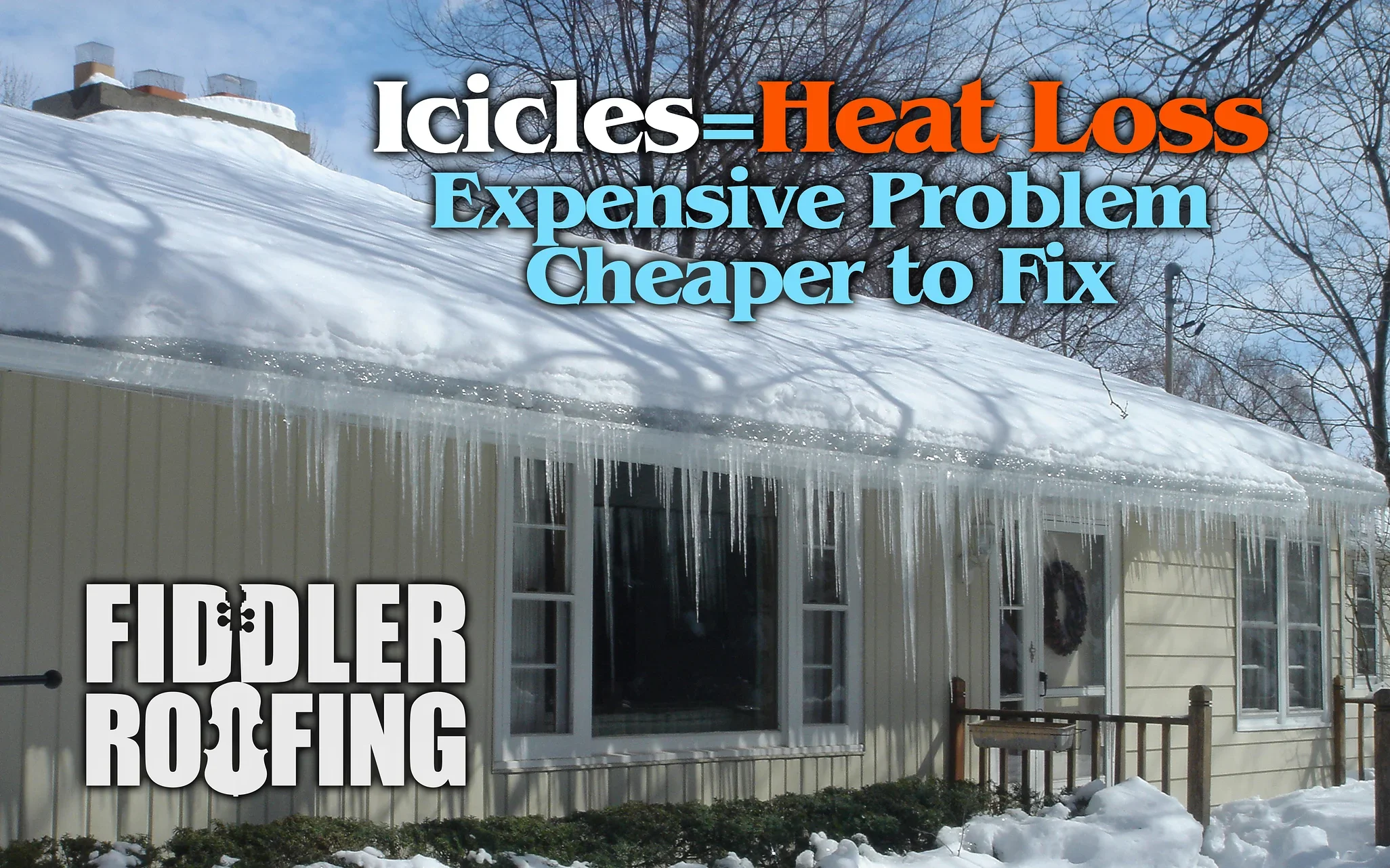
Understanding icicle formation starts with a glimpse into how winter weather interacts with your home. The creation of icicles results from a combination of snow on your roof, daytime warming that melts the lowest snow layer, and night temperatures dropping to freezing. The melted water flows downward toward the colder roof edge or gutter, where it refreezes to form icicles. While the weather plays a fundamental role, the cause almost always involves heat escaping from inside, melting snow beneath, and creating conditions for icicles to form at the eaves.
This melting-and-refreezing cycle becomes even more pronounced when attic insulation is inadequate or when ventilation is unbalanced. Homes in the same neighborhood—with near-identical snowfall and outdoor temperatures—can show wildly different levels of icicle formation. The difference comes down to what is happening inside the attic and roof structure, not outside. When heat leaks from living areas into the attic, the roof surface warms up, melting snow faster than intended, and the resulting water trickles down and freezes, forming the classic icicles in winter imagery. Recognizing this science lets you make informed choices about insulation, ventilation, and proactive gutter management.
As you consider the science behind icicle formation, it’s also important to remember that the quality of your roof and the expertise of your contractor play a significant role in preventing winter issues. If you’re planning any upgrades or repairs, reviewing essential questions to ask before hiring a roofing contractor can help ensure your home is protected from both visible and hidden cold-weather threats.
The Role of Heat Loss in Icicle Formation
The real culprit behind prominent icicles on your roof is heat loss. As warm air escapes from poorly insulated parts of your home into the attic, it rises and reaches the underside of your roof deck. This causes localized warming, which in turn melts the bottom layer of snow sitting on the rooftop. When this meltwater runs down the roof and hits the colder overhangs and gutters, it quickly refreezes and forms icicles. Scientific studies, including those from leading home efficiency panels, have confirmed that heat escaping through the attic is directly correlated with icicles and the formation of dangerous ice dams.
This phenomenon is not simply about exterior conditions. Homes with properly maintained insulation keep heated air from penetrating the attic, resulting in a cooler, uniform roof temperature unable to melt snow from underneath. The prevalence of icicles can therefore be an accurate, visual measure of your home’s overall energy efficiency, acting as a weather-driven spotlight on areas that most need attention or upgrades. Addressing the root cause—interior heat loss—will drastically reduce the appearance of icicles and the risks they present.
How Attic Insulation and Ventilation Contribute to Icicles
Beyond heat loss alone, the interplay of attic insulation and ventilation is crucial in the development—or prevention—of icicles. Proper insulation creates a stable thermal barrier, minimizing the upward movement of warm indoor air. Simultaneously, effective ventilation ensures that what little heat enters the attic is consistently flushed out, maintaining a cool attic environment that matches the outside air. If either system fails, the roof surface heats unevenly, and snow melts erratically, causing water to migrate toward the colder roof edge, where icicles will form.
According to research and advice from the scientific commission on home safety, homes equipped with balanced insulation and active venting have significantly fewer icicle issues—even in harsh winters. It’s the balance of these systems—not just their presence—that keeps the roof cold and prevents both the formation of icicles and the more damaging creation of ice dams. When insulation or ventilation is lacking, heat buildup becomes inevitable, and the conditions for icicle growth become almost guaranteed, regardless of how often you attempt to manually remove them.
Understanding the Differences: Why Some Homes Develop Icicles, and Others Don’t
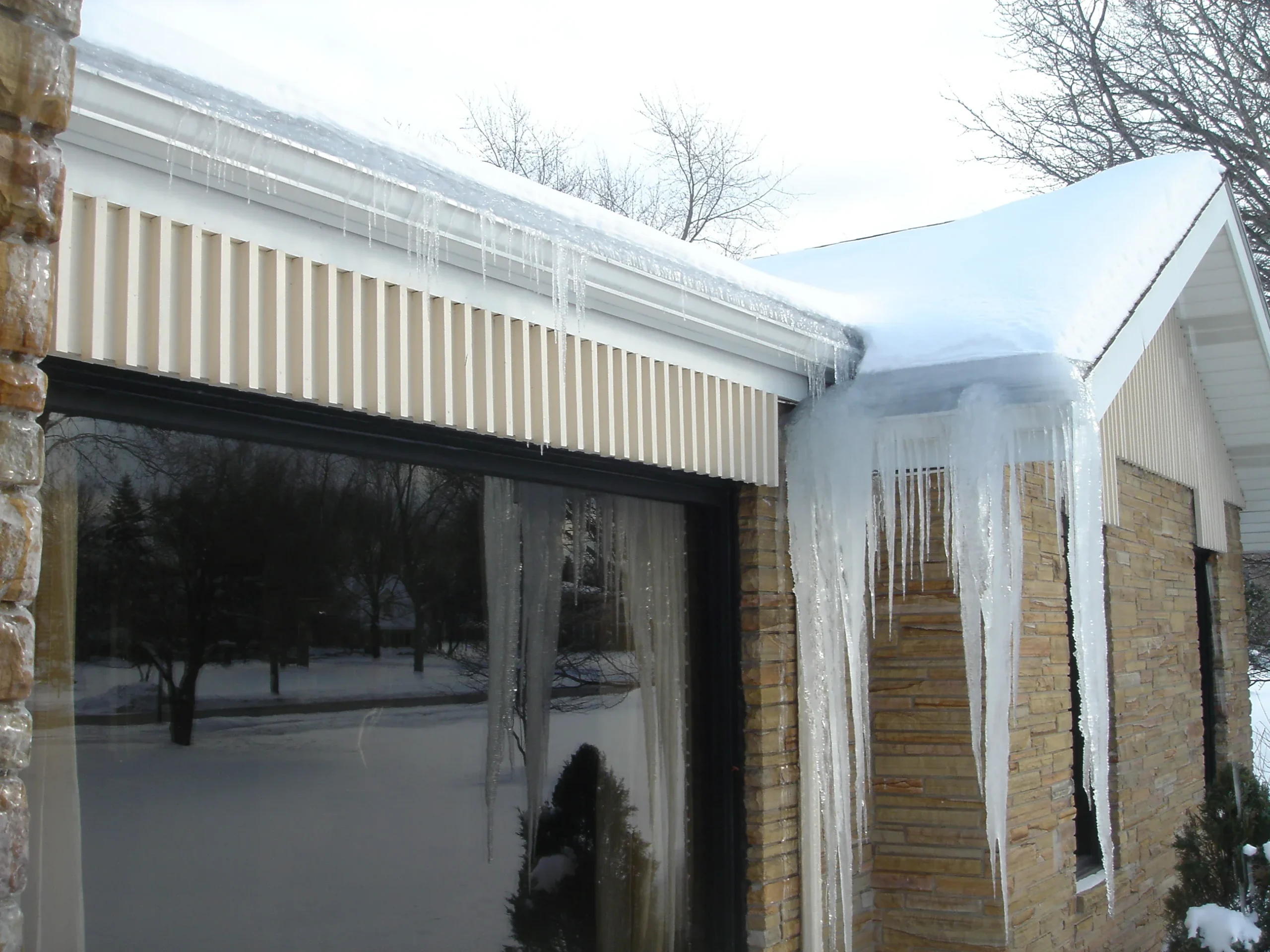
If you stand on a snowy street and compare neighboring homes after a heavy snowfall, you may wonder why some homes bristle with icicles while others are virtually free of them. The answer is rarely weather-related; it’s about each home’s unique insulation and ventilation setup. In “en es en este” observations, even houses with identical rooflines and gutter systems can experience drastically different icicle patterns. This often comes down to how effectively each home retains heat in the living space while keeping attic and roof-deck temperatures close to the outside air.
Homes that boast thorough air sealing, dry, even insulation, and well-designed attic airflow rarely see problematic ice dams form. On the flip side, houses with thin insulation or blocked attic vents are prone to persistent icicle development, regardless of gutter quality or roof angle. These differences become even more pronounced in older homes or those in need of maintenance, highlighting the value in modern energy-efficiency upgrades and regular attic inspections.
|
Comparison Table: Factors Leading to Icicle Formation vs. Prevention Measures |
||
|
Factor |
Risk Level |
Prevention Method |
|---|---|---|
|
Attic Insulation |
High |
Upgrade insulation |
|
Attic Ventilation |
Medium |
Install vents |
|
Gutter Condition |
Low |
Regular cleaning |
What Icicles Are Telling You About Your Home
When icicles consistently form along your roof edge or in your gutters, your home is sending you a clear message about underlying inefficiencies. Visibly, icicles signal that sections of your attic or roof are warmer than they should be during the coldest months, inviting meltwater to pool and freeze at the eaves. This is not just an issue of aesthetics—icicles are visual evidence that energy is escaping your living space. As this process continues, it can lead to hidden water infiltration, soggy insulation, and, eventually, the kind of wood rot that threatens the structure of your roof and ceilings.
If not addressed, these warning signs can quickly escalate. Water, finding its way beneath shingles or down through minor cracks, refreezes overnight and exacerbates damage. Even small icicles should not be dismissed, as they may indicate the early stages of attic heat loss, which can predispose your home to larger issues down the road. Responding swiftly to what these icicles tell you can save you significant money and headaches later.
Visual Evidence: Heat Loss and Uneven Roof Temperatures
The spatial arrangement and size of icicles provide a blueprint of your roof’s hidden temperature patterns. Large or numerous icicles along sections of the gutter highlight areas where attic heat is escaping most rapidly, causing uneven melting of snow. Homeowners should pay close attention to these clusters—they’re a visual map pointing directly to trouble spots. In contrast, areas with little-to-no icicle formation often align with well-insulated, ventilated sections of the attic.
Thermal imaging done by experts and studies from the scientific commission confirm these visual clues: roofs that remain snow-covered to the edge (without icicles) typically have minimal upward heat loss. Those with exposed patches and hanging icicles are losing energy and increasing their risk of water ingress. In essence, icicles are more than frozen drips—they are markers of where your home is struggling with its energy envelope.
Potential for Ice Dams and Water Damage
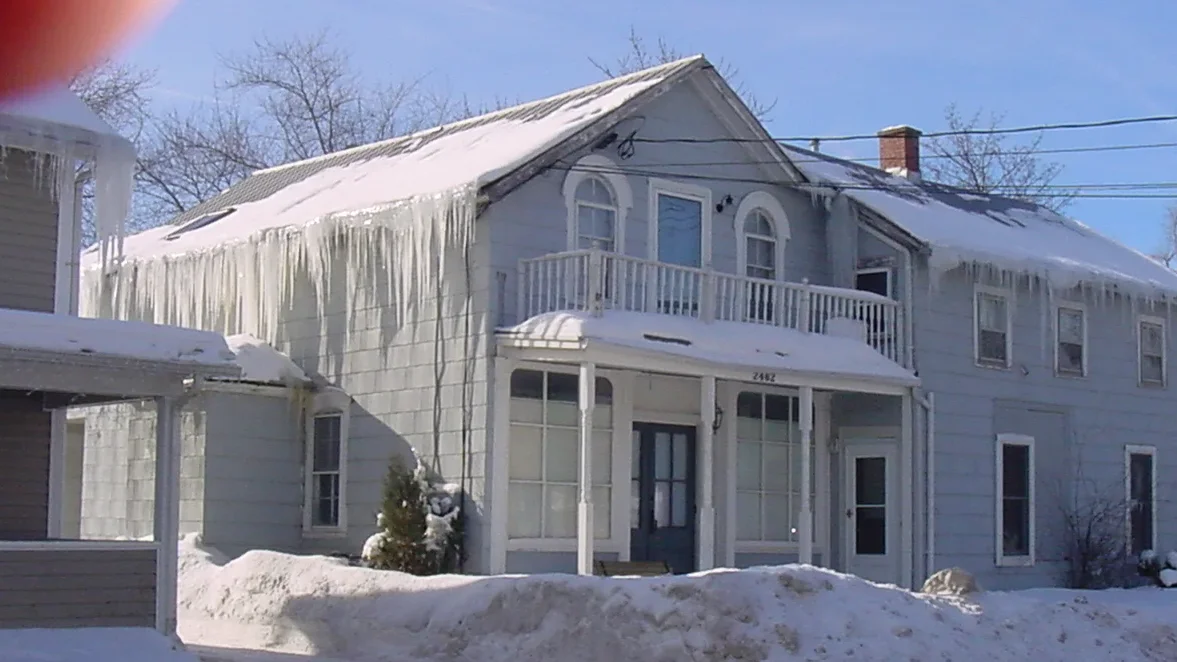
The evolution of icicles into ice dams is where the most severe risks come into play. When these icicles form at the gutter edge, meltwater can become trapped behind an ice ridge instead of running off. This backup forces water underneath the roof shingles, where it can seep into the attic and living spaces below. As noted by the de la scientific commission, “ice dams caused by unmanaged icicles are a leading source of winter roof leaks, interior stains, and insulation damage. ”
Even if you only see minor icicle growth, the conditions are ripe for ice dam formation if attic insulation and ventilation are weak. Small leaks may go undetected for weeks or months, leading to mold, mildew, and relentless moisture cycles that are costly to fix. Frequent icicles should therefore be treated as a severe warning—not only for potential injury but as a signal of underlying water risks to your property’s structure and value.
When Should Icicles Be Cause for Concern?
Not every icicle spells imminent disaster, but certain characteristics demand immediate attention. If you observe large, thick icicles that reappear with every snow—and especially if water stains, peeling paint, or ceiling drips follow—then it’s time to investigate thoroughly. Homes showing icicles in isolated corners may only need minor adjustments, but long, heavy icicles lining most or all of the gutter edge indicate a significant heat loss problem.
Additional warning signs include repeated icicles in the same locations, evidence of persistent meltwater, and visible attic moisture or frost buildup. Under these circumstances, proactive inspection and timely repairs—or insulation upgrades—are critical. It’s always safer (and less expensive) to address the root cause rather than wait for major water intrusion or surface structural damage.
Are Icicles Always a Warning Sign or Sometimes Harmless? (Opinion)
It’s true: not every winter icicle is a guaranteed signal of disaster. Sometimes, very small, occasional icicles may form due to brief daytime warming even on well-constructed homes. However, in my opinion, “benign” icicles are rare. More often, recurring icic,es point to underlying issues that, if left unchecked, can develop into ice dams and cause hidden damage over time. It’s easy to brush off a few dangling icicles as a charming part of winter, but as any seasoned homeowner will tell you, ignoring repeated warning signs is risky business.
My advice? Even if icicles seem modest, use their presence as motivation to double-check your attic and roof situation. A little curiosity now may save you the pain of expensive repairs later. While harmless icicles are possible under perfect storm conditions, they should always prompt a brief investigation—better to be certain than sorry.
Distinguishing Benign from Dangerous Icicles (en es de los)
So, how do you tell the difference between “harmless” icicles and those that signal real trouble? The answer lies in their size, frequency, and location. Small, short-lived icicles that appear only after major temperature swings usually aren’t a cause for panic. However, large, persistent, or rapidly growing icicles, especially those clustered across roof edges and repeated after every snow, indicate significant attic heat loss or insufficient ventilation and insulation—the classic “en es de los” signs to watch for. When ice buildup is extensive, it can also stress your gutters and siding and even pose safety hazards as heavy icicles break free.
It’s wise to examine where and how icicles form. If you observe heavy ice in valleys or above poorly insulated rooms, that’s your actionable clue to inspect insulation and airflow. If you are ever unsure, seeking an expert home energy audit will offer professional assurance and potentially reveal invisible inefficiencies before they escalate into true home maintenance emergencies.
Expert View: Icicles as Precursors to Larger Problems (scientific commission)
Seasoned pros, including those cited by the scientific commission, agree: “icicles are not just a picturesque winter occurrence—they’re nature’s early alert system, warning us of underlying insulation and ventilation issues. ” The consensus is clear—wherever there are repeated icicles, there is likely a problem in need of attention. Homeowners who downplay their presence may face cumulative damage: first to gutters and roofs, later to ceilings, walls, and insulation quality.
Taking a critical, preventive approach—rather than waiting for water stains or costly leaks—represents a homeowner’s best defense against long-term repair bills. The science shows that acting on icicles early (rather than after obvious symptoms) is the surest way to limit property damage and maintain your home’s value.
“Icicles are not just a picturesque winter occurrence—they’re nature’s early alert system, warning us of underlying insulation and ventilation issues.”
Potential Dangers of Ignoring Icicles on Your Gutters
If you are tempted to dismiss icicles as just another facet of winter, reconsider. Neglecting these visible cues can lead to extensive problems, ranging from property damage to personal safety hazards. Ignored icicles signal that issues are developing above your ceilings and behind your walls, where repairs rapidly escalate in cost and complexity. That’s why paying attention when they first appear—before the arrival of spring melt and heavy rains—is a crucial act of home stewardship.
Even a handful of significant icicles can set the stage for a chain reaction: as ice builds up, it stresses gutters and pushes water beneath shingles, often resulting in water-damaged insulation, interior rot, and mold growth—any of which can take years off your roof’s lifespan. Fast-moving water, forced by expanding ice, is a silent agent of structural trouble, quietly undermining everything from attic joists to painted ceiling surfaces.
Physical Damage: Gutters, Siding, and Risk of Injury
Icicles themselves can cause plenty of outward, physical harm. The cumulative weight of heavy ice loads can pull gutters away from the fascia, bend or break fasteners, and even rip away roof edge materials or attached siding. Worse still, icicles that grow long and hefty present a real-world risk to people or pets passing below. Falling icicles can cause serious injuries—each year, emergency rooms report cases involving lacerations, bruises, or worse. It pays to recognize that while the frozen water glimmers in the sun, it’s anything but harmless. Prevention is not only about saving your home, but also about safeguarding the well-being of those around you.
From an expert perspective, the physical hazards—and costly exterior repairs—routinely start with overlooked icicles following even modest snowfalls. These are stories heard from neighbors every winter: a seemingly “normal” crystal formation one morning, a bent gutter or shattered walkway by week’s end. Don’t become the next cautionary tale—intervene early for safety and peace of mind.
Hidden Damage: Wet Insulation, Wood Rot, and Recurring Leaks
What makes icicles truly dangerous is the silent nature of the damage they foreshadow. Hidden just above the ceiling, moist insulation loses its effectiveness, sagging and clumping due to repeated water exposure. Over time, this leads to persistent “cold spots” in the house, higher heating bills, and a stubborn cycle where icicles reappear every winter. Wood rot—a major threat to your home’s structural integrity—develops as long-term leaks go undetected, spreading into joists, beams, and even the roof’s sheathing.
Recurrence is a strong indicator that surface-level fixes, like knocking down icicles or cleaning gutters, aren’t enough. Real repairs require investigating the root causes: heat migration, compromised insulation, and restricted ventilation. Investing now to address the hidden causes ensures you avoid recurring water stains, mold outbreaks, and the gradual weakening of roof structures—the true, costly threats posed by recurrent icicle formation.
What Not to Do: Common Icicle Misconceptions
It’s tempting to take a reactive approach to icicles—hoping they’ll simply go away, or removing them and forgetting about the root cause. Homeowners often believe that gutters alone are responsible, or that icicles are a “normal” part of the season. This perspective can be dangerous, as focusing solely on removal sidesteps the root cause of the problem—heat loss and insufficient insulation or ventilation. Below, I address the most pervasive misconceptions about icicles and why a holistic strategy wins every time.
Don’t let widespread beliefs put your property at risk. Understanding the real cause means you’ll spend less on repairs and more on true prevention, keeping your home warmer, drier, and more efficient throughout winter and beyond.
Don’t Ignore Icicles as “Normal”
One of the most common mistakes is assuming that icicles—no matter how large or frequent—are an unavoidable part of winter. This is far from the truth. While certain conditions can spur brief icicle growth, regular or persistent formations should be treated as warnings. Ignoring them allows underlying attic inefficiencies to worsen, quietly draining energy, increasing your utility bills, and amplifying future repair costs. Always view recurring icicles as a cue to inspect your attic, not just to clear them away from sight.

Don’t Assume Gutters Alone Cause the Problem
Many believe that faulty, clogged, or old gutters are the sole cause of icicles. While clean gutters are important for water flow, they play only a supporting role in icicle formation. The real issue lies above: heat escaping through attic surfaces and reaching the roof deck. You might install new gutters and still see icicles unless you manage attic air leaks, insulation quality, and ventilation balance. Proper home maintenance means tackling energy loss at its true source, not just treating the symptom at the roof’s edge.
If in doubt, invest your effort and budget in a holistic attic assessment instead of a gutter-only solution—it will pay off quickly with lower energy bills and a longer-lasting, damage-free roof and gutter system.
Don’t Fixate Solely on Icicle Removal
Removing icicles with tools, de-icer, or by breaking them off may offer instant gratification, but this approach rarely solves anything long-term. The next cold snap will see new icicles in the same spot. Focus on addressing the underlying causes—such as insufficient insulation in “en es en este” areas, poor attic airflow, or gaps that allow heated air to rise into the attic space. Permanent fixes always involve interior improvements, not just exterior maintenance. Remember, icicles are symptoms. The real solution lies within the walls and roof above your living space.
Developing an “inside-out” mindset is key to long-term home performance and minimal winter headaches. With a comprehensive view, you’ll spend less time breaking icicles and more time enjoying a cozy, efficient home.
A Proper Evaluation: How to Identify the Real Issue
When facing persistent or unusually large icicles, a proper evaluation cuts straight to the heart of the issue. Rather than guessing, a structured investigation—starting in the attic—will quickly isolate the problem and let you address it before damage spreads. Following the steps below allows homeowners to move from concern to solution with purpose and clarity.
-
Check attic temperature consistency
-
Inspect the insulation condition
-
Look for signs of moisture or frost
-
Assess ventilation intake and exhaust balance
Prevention and Solutions: Keeping Icicles at Bay
Thankfully, the cycle of icicles is not inevitable. Proactive steps can keep your gutters clear and your attic comfortable—saving time, money, and stress each winter. By augmenting air sealing, boosting insulation, and establishing balanced ventilation, you create a robust defense against the conditions that enable icicle formation. Simultaneously, seasonal maintenance—such as keeping gutters clean and removing snow from roof edges—ensures melting water flows away from the home, well before it can freeze and do damage.
Below, I’ll outline the most effective methods for banishing icicles, all of which center on addressing your attic’s “thermal envelope” and staying a step ahead of extreme weather. With a few smart upgrades, you can transform your home from icicle magnet to winter-proof fortress.
Air Sealing, Insulation Upgrades, and Ventilation Improvements
Sealing cracks and gaps around ceiling fixtures, attic hatches, and plumbing vents plugs the smallest holes where warm air escapes into the attic. Adding or upgrading insulation ensures heat stays in living spaces, not migrating into the attic, where it melts roof snow. Balanced ventilation—achieved through a mix of soffit, ridge, or gable vents—flushes any heat that intrudes into the attic and roof, keeping attic and roof temperatures closely matched to outdoor air. This three-pronged approach is certified by energy agencies and the scientific commission as the most universally successful in curbing icicles and their hidden damage.
Most insulation upgrades qualify for energy rebates and quickly pay off through reduced heating costs. The payoff is a winter roof with little to no icicle formation, all while increasing your comfort, lowering energy bills, and preserving your home’s structural integrity for years to come.
Smart Gutter Maintenance and Snow Management
Gut care remains important for managing water flow—clean, debris-free gutters channel meltwater away from the fascia and foundation, diminishing the freeze potential at the roof edge. Regularly cleaning gutters in fall and early winter, along with safely removing snow using a roof rake, helps prevent the “dam effect” that contributes to ice ridge build-up and icicles. These simple exterior maintenance routines complement internal improvements, forming a complete anti-icicle strategy.
Always prioritize safety when raking snow or inspecting gutters—work from the ground where possible, and avoid standing on icy ladders. Proper snow management not only extends the life of your roof and gutters but also helps maintain the energy protection provided by your attic insulation and ventilation upgrades.

|
Solution Table: Icicle Prevention Techniques vs. Effectiveness |
||
|
Technique |
Effectiveness |
Cost |
|---|---|---|
|
Air Sealing |
High |
Moderate |
|
Adding Insulation |
High |
High |
|
Roof Rake Usage |
Medium |
Low |
Are Icicles on My Gutters a Warning Sign? My Personal Take
Having coped with frequent icicles on my own home, I learned firsthand that ignoring them only made the repairs more costly in the end. At first, I dismissed those glittering stalactites as inevitable, but recurring ceiling spots and dripping trim quickly proved otherwise. The real lesson came only after investing in attic air sealing and replacing compacted insulation—suddenly, the icicles faded, and my winter energy bills dropped. My advice is simple: Treat icicles as a call to action, not as background noise. Prevention is always less expensive than repairs, and comfort is much cheaper than constant worry.
“Having coped with frequent icicles on my own home, I learned firsthand that ignoring them only made the repairs more costly in the end.”
Key Points to Remember About Icicles on Gutters
-
Icicles are a visible sign of home energy inefficiencies
-
Early detection can prevent serious water and roof damage
-
Addressing insulation and ventilation is more important than quick fixes
People Also Ask About Icicles
FAQs on Icicles, Gutters, and Home Maintenance
-
How dangerous are icicles falling from the roof edges?
Falling icicles can injure people and pets below, and their weight can damage gutters and siding. Large icicles are especially hazardous and should be addressed promptly to prevent accidents and costly repairs. -
What should I do if I see icicles forming regularly?
If icicles keep returning, inspect your attic insulation, look for air leaks, and ensure attic ventilation is balanced. Quick fixes won’t work—address the source of heat loss for lasting results. -
How can insulation upgrades prevent icicles?
Upgrading insulation creates a thermal barrier, preventing heat from escaping into the attic where it can melt roof snow. A properly insulated attic maintains a uniform, outdoor-like temperature, reducing the risk of icicles and ice dams. -
Are heat cables a good solution for icicles?
Heat cables can help melt snow and minimize ice buildup, but they should be viewed as a last resort. Addressing insulation and ventilation issues remains the most effective and energy-efficient long-term solution.
Final Thought: Listen to What Your House is Telling You
“Icicles aren’t just frozen water. They’re your house’s silent warning that heat is escaping and bigger problems could be on the horizon.”
Understanding the warning signs that icicles present is just one part of maintaining a safe and efficient home during winter. If you’re considering professional help for your roof or planning preventative upgrades, it’s wise to be prepared with the right questions. For a deeper dive into making informed decisions and ensuring your contractor is up to the task, explore the top questions every homeowner should ask before hiring a roofing contractor. This resource will empower you to protect your investment, avoid costly mistakes, and take your home maintenance strategy to the next level.
Contact Us for Expert Icicle and Gutter Advice
-
Call us at 716 284 1322 for an expert inspection and to safeguard your home against winter damage.