Did you know over 64% of homeowners fall for at least one major roofing myth—unintentionally risking their property’s value and their safety? With misinformation so widespread, trusting the wrong “facts” can lead to expensive repairs, premature roof replacement, or even voided warranties. It’s time to set the record straight. In this guide, you’ll separate roofing fact from fiction, gaining peace of mind—and a stronger roof for years to come.
What You’ll Learn About Roofing Myths
-
Gain clarity on common roofing myths that can cost you money and peace of mind.
-
Understand the truth behind metal roof, roof repair, roof replacement, and roofing material misconceptions.
-
Learn how to avoid mistakes when it comes to common roof maintenance and hiring roofing companies.
Startling Statistics: The Prevalence of Roofing Myths Among Homeowners
“According to a 2023 national survey, over 64% of homeowners believe at least one major roofing myth, risking both their property’s value and personal safety.”
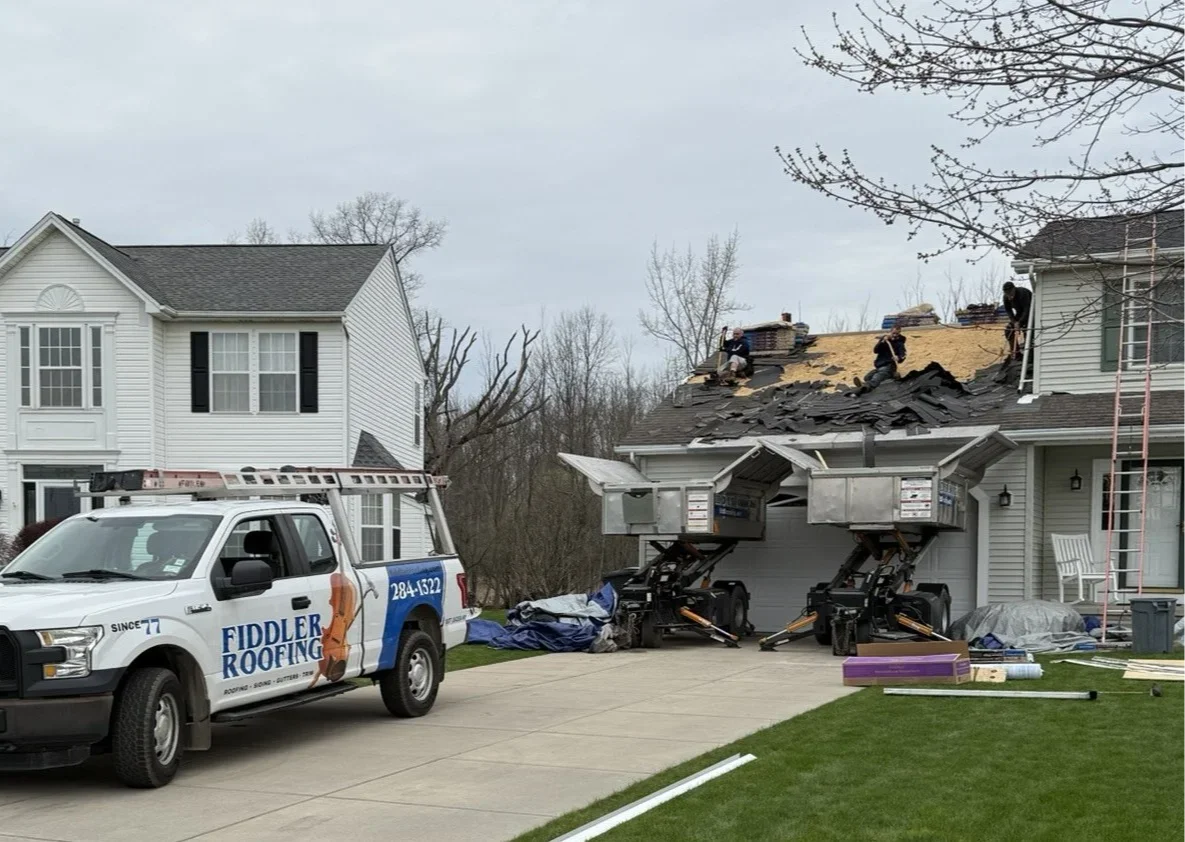
Table: 12 Must-Know Roofing Myths vs Facts
|
Roofing Myth |
Reality/Fact |
Impact if Believed |
|---|---|---|
|
Metal roofs are noisy |
Proper installation over insulation makes metal roofing as quiet as other types |
Miss out on durable, long-lasting roofing material |
|
A new roof stops all leaks |
Leaks can come from flashing, vents, or poor ventilation, not just shingles |
Continued water damage if repairs focus only on shingles |
|
Dark shingles make homes hotter |
Ventilation matters more than shingle color for heat management |
Costly choices with little energy impact |
|
All roofing warranties are the same |
Workmanship and material warranties differ greatly |
Unpleasant surprises when something fails |
|
Adding more layers of shingles is harmless |
Multiple layers hide problems and add dangerous weight |
Shortened roof life, potential code violations |
|
Roofing is just about shingles |
Decking, underlayment, flashing, and ventilation all matter |
Incomplete repairs or replacements |
|
Only replace if your roof leaks |
Proactive replacement prevents hidden damage |
Higher repair costs and possible structural damage |
|
All contractors are the same |
Training, equipment, and standards vary widely |
Poor craftsmanship, voided warranties |
|
Gutters are unrelated to roof health |
Gutters protect against water damage and ice dams |
Increased leaks and property damage |
|
You can spot problems from the ground |
Professional inspections find hidden dangers |
Missed damage and slow-developing leaks |
|
Ventilation isn’t important |
Balanced airflow extends roof life and regulates energy bills |
Shingle breakdown, higher utility costs |
|
Roofing is a DIY job |
Professional skills and safety are essential |
Injury, improper installation, costly fixes |
Roofing Myth #1: Are Metal Roofs Truly Noisy?
The Truth About Metal Roofs and Noise
-
Why modern metal roofing defies this common misconception
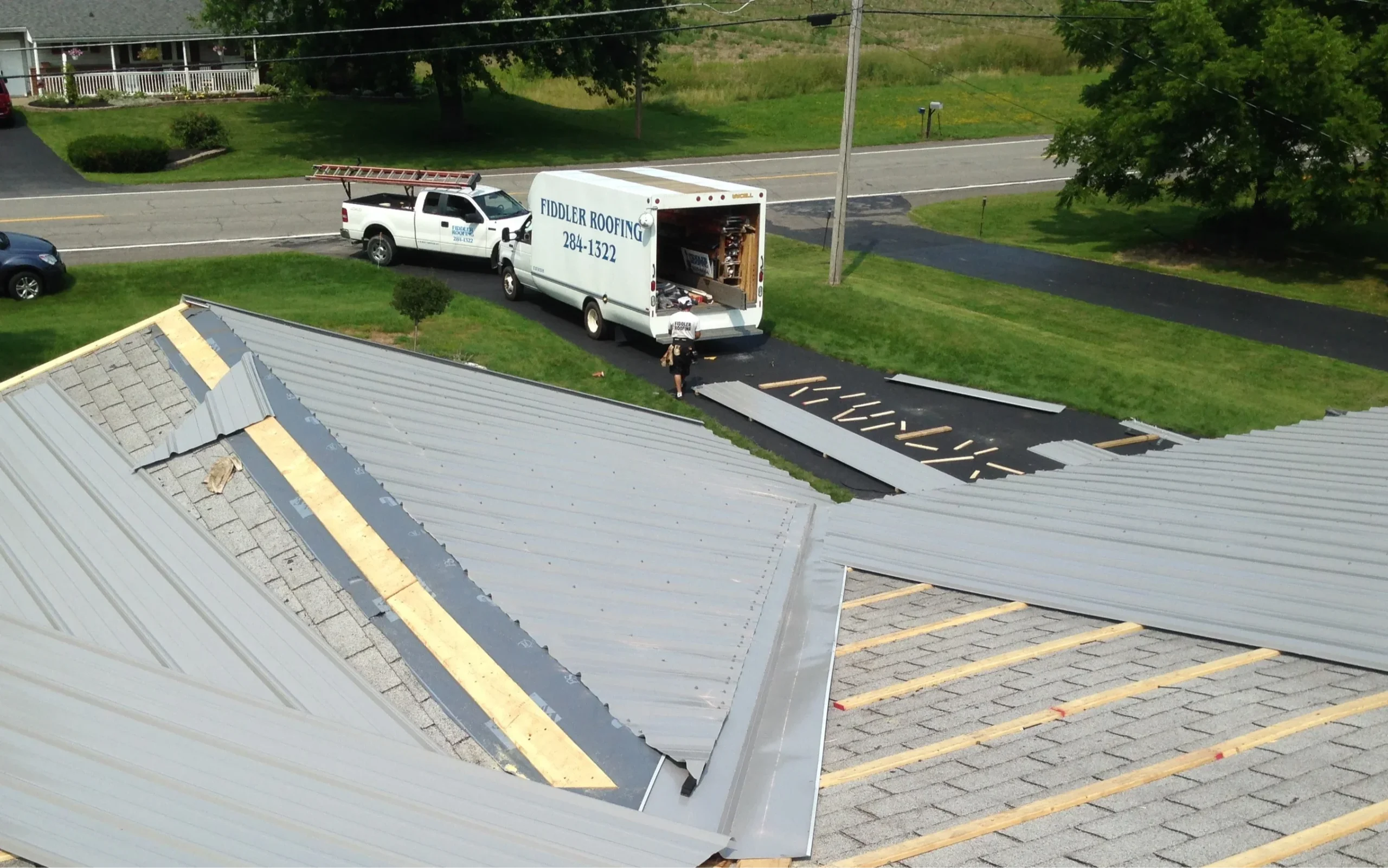
When considering metal roofing, many homeowners worry about excessive noise—especially during rainstorms. However, this is a common roofing myth based on outdated installations. Modern metal roofing is installed over a solid decking base layered with insulation, which dampens external noises just as effectively as asphalt shingles. In reality, homeowners often find their metal roof is quieter than expected, and in some comparisons, even quieter than older shingle systems. As metal roofing technology has advanced, so have the sound-dampening techniques, making this a myth you can safely ignore. Embracing metal roofs not only improves your home’s longevity but also offers peace of mind in the long run.
Roofing Myth #2: Does A New Roof Eliminate All Leaks?
Understanding Roof Repair and Complete Roofing Systems
-
What roof inspection reveals about leaks beyond shingles
It’s easy to believe that installing a brand-new roof means an end to all leaks, but this is another widespread roofing myth. Leaks don’t always start with shingles—they often originate from compromised flashing, poorly sealed chimneys, substandard vents, or even overlooked valleys on your roof. Even with high-quality materials, ignoring these weak points can perpetuate leaks long after a roof replacement. This is why thorough roof inspections by reputable roofing companies are critical for identifying all possible entry points for water. Remember, a true roofing system involves multiple layers and attention to detail, not just a surface fix, ensuring true peace of mind.
Roofing Myth #3: Do Dark Shingles Make Homes Hotter?
Heat Absorption, Roofing Materials, and Energy Efficiency
-
The role of ventilation versus shingle color
Many homeowners are concerned that dark-colored asphalt shingles will trap extra heat, driving up cooling costs. While dark shingles do absorb more sunlight, the real key to roof energy efficiency is proper ventilation and attic insulation. Without balanced airflow, even light-colored roofs can contribute to heat buildup and higher bills. Modern roofing materials—including darker ones—are designed for efficiency. The right design and installation, emphasizing good ventilation as much as shingle color, make the biggest impact in both summer cooling and winter comfort. Don’t fall for this common roof misconception; instead, focus on your home’s entire roofing system for results that last.
Roofing Myth #4: Are All Roofing Warranties The Same?
Comparing Roofing Contractor Warranties and Coverage
-
What to check in workmanship versus material warranties
Roofing warranties are often misunderstood and mistakenly believed to be interchangeable. In truth, coverage can range from strictly material protection to comprehensive workmanship guarantees. While material warranties safeguard against manufacturing defects, they won’t cover improper installation—a leading cause of roof failures. Workmanship warranties, meanwhile, protect you if mistakes happen during installation. Quality roofing companies provide both and are transparent about coverage length and responsibilities. Always review the terms closely and ask your roofing contractor to explain the differences. Misunderstanding this aspect can leave you without the protection you expect, so make informed decisions when comparing contractors and their warranty offers.
Roofing Myth #5: Is Adding Layers of Shingles Harmless?
The Dangers of Layering Over Old Roofing
-
Roof replacement codes and hidden roof repair problems
Adding a second—or even third—layer of shingles may seem like an easy solution for a worn roof, but this is a roofing myth that can cost homeowners dearly. Not only do multiple layers add excessive weight to your roof deck—risking structural issues—but they can also hide underlying problems like water damage or rotted wood. Building codes in many areas now limit layering to prevent future complications. For long-lasting performance and safety, a full tear-off followed by expert roof replacement is always the better choice. By addressing these issues at their source, you extend your roof’s life and uphold the integrity of your entire home.
Roofing Myth #6: Is Roofing Just About Shingles?
The Complete Roofing System: Decking, Underlayment, and More
-
How different roofing materials and systems protect your home
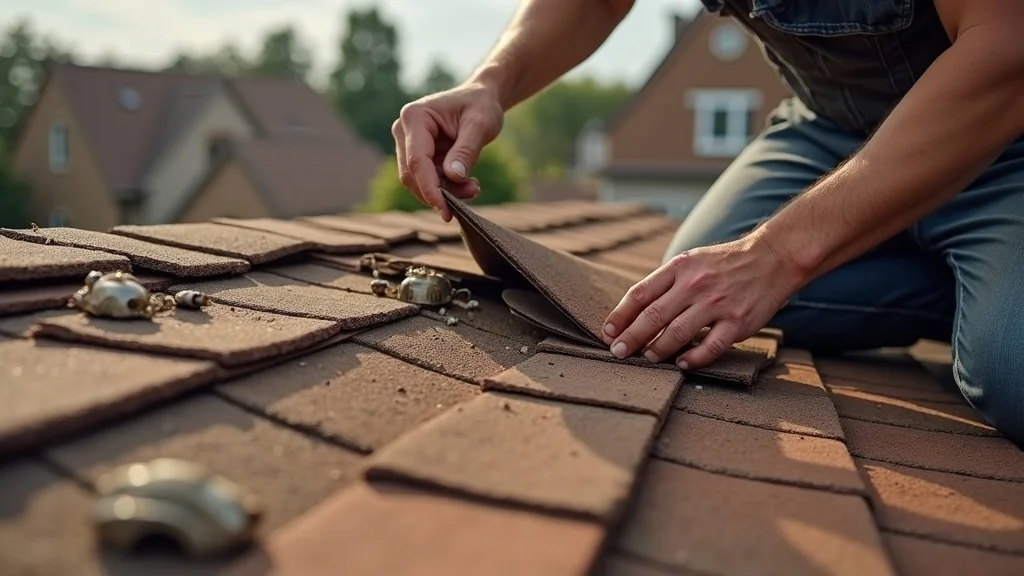
Shingles get most of the attention, but a roof is much more than its visible outer layer. The roofing system includes decking (the plywood base), underlayment (for waterproof protection), flashing (to seal joints and edges), and proper ventilation. Each layer works together, and neglecting one jeopardizes the whole system. Roofing materials must be compatible, and every part—whether asphalt shingle, metal roof, or tile—plays a role in resisting moisture, weather, and heat. Trusted roofing contractors look at the entire system, not just what’s on top, to ensure your investment is sound for the long run.
Roofing Myth #7: Replace Only When Your Roof Leaks?
Proactive Roof Replacement and Preventive Maintenance
-
Why waiting for leaks can cost more—roof inspection insights
Many homeowners believe it’s wise to hold off on roof replacement until signs of water damage or leaks appear. In reality, waiting until leaks are visible means that hidden damage has often already taken root—potentially spreading to insulation, walls, and ceilings before you notice. Annual roof inspections and regular maintenance allow roofing professionals to spot trouble early, saving you money and avoiding emergency repairs. By staying ahead of issues, you preserve your home’s structure and can often extend roof life. Remember, proactive care brings peace of mind and helps you make informed decisions about timing and budgeting.
Roofing Myth #8: Do All Roofing Contractors Offer the Same Quality?
How to Evaluate Roofing Companies and Their Standards
-
The difference between factory-trained crews and subcontractors
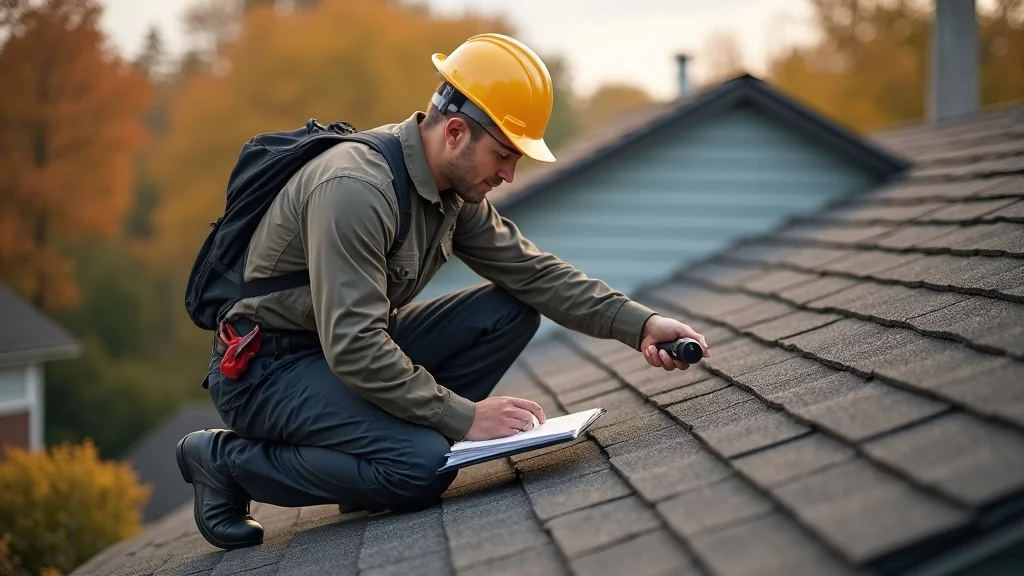
Choosing a roofing contractor isn’t a matter of picking the lowest price. There is a wide spectrum of quality between companies, and not all adhere to the same standards of workmanship or professionalism. Factory-trained teams, who work exclusively for the contractor, tend to produce more consistent quality than subcontracted crews. Look for companies that offer proof of certification, detailed project portfolios, and strong local reputations. Ask about their training, equipment, and insurance coverage. Basing your decision on more than price ensures your roof repair or replacement will be completed correctly and backed by real warranties—giving you confidence in your investment.
Roofing Myth #9: Are Gutters Unrelated to Roof Health?
Understanding Roof Performance: The Critical Role of Gutters
-
How clogged gutters contribute to common roofing myths and problems
It’s easy to see gutters as a separate system, but in truth, they’re a crucial component of your roofing system. Gutters channel water away from your roof, siding, and foundation. If they’re clogged or misaligned, water can back up and seep under shingles, causing leaks, rot, and even foundation problems. This is one of the common roofing myths that leads to unnecessary roof repair calls. Regular gutter cleaning and inspection prevent these issues and preserve the lifespan of your entire roofing system. Keep this small task on your maintenance list for big savings in the long run.
Roofing Myth #10: Can You Spot Roof Problems from the Ground?
Professional Roof Inspection Versus DIY Observation
-
Hidden defects only visible to roofing contractor specialists
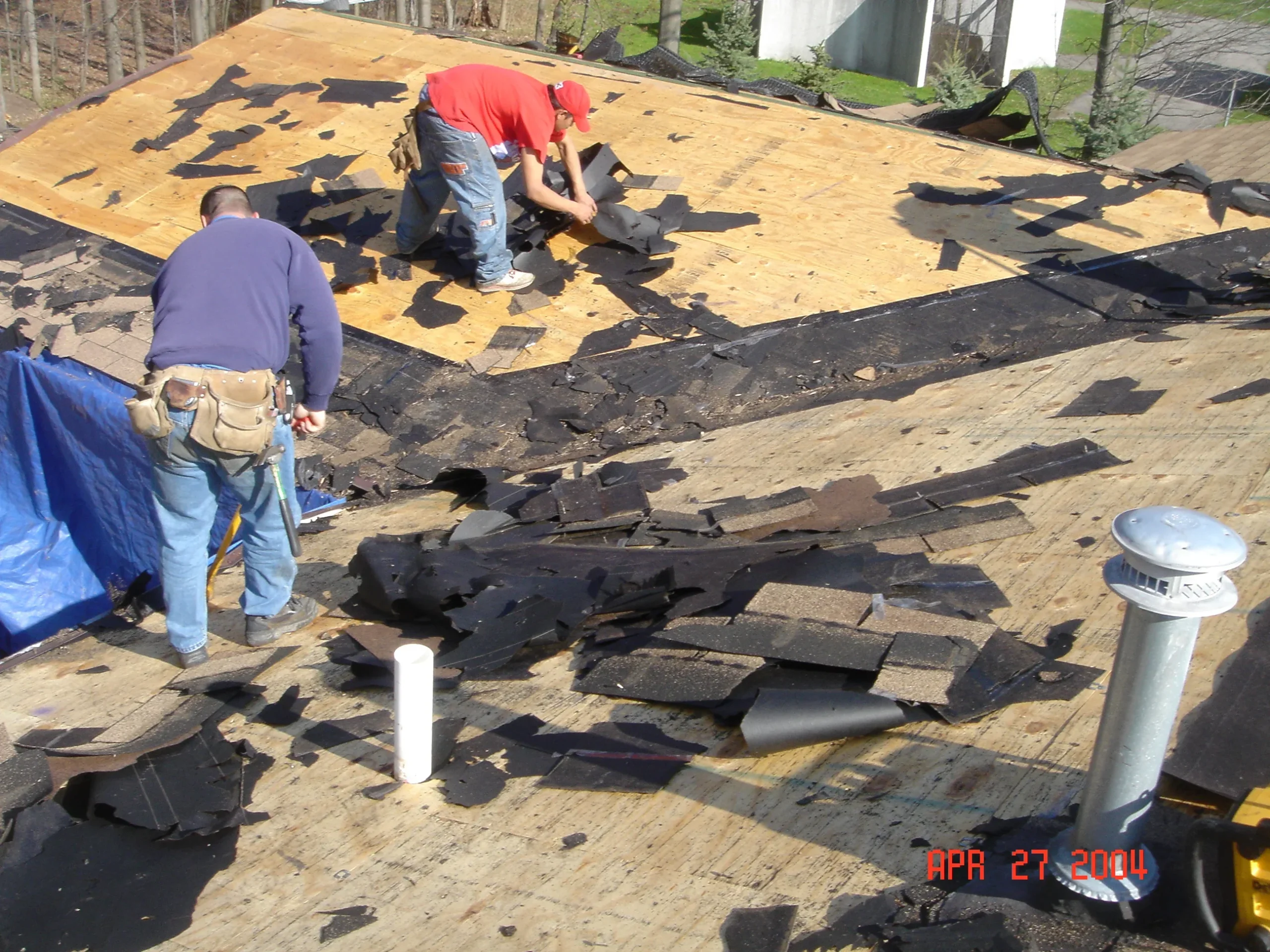
Many homeowners assume that visible damage is the only threat to their roof—if there are no curled shingles or missing tiles, the roof must be in good shape. However, the subtle signs of trouble, like cracked flashing, poorly sealed vents, or minor decking rot, often escape notice from ground level. Professional roof inspections go beyond surface appearances, spotting problems before they become leaks or structural threats. Skipping these inspections risks missing warning signs that can quickly escalate into expensive repairs. Trust a roofing pro to see what you can’t, ensuring your home is truly protected for years to come.
Roofing Myth #11: Ventilation Isn’t Critical to Roof Lifespan
Why Balanced Ventilation Is Essential for Any Roofing Material
-
Common roofing myths about attic ventilation and energy bills
Poor ventilation is one of the biggest causes of premature roof aging and high energy bills, yet it’s often overlooked. Balanced attic ventilation keeps air moving, regulating temperature and moisture levels year-round. Without it, hot, moist air builds up, causing shingles to deteriorate quickly, ice dams to form in winter, and utility bills to climb. No matter your roofing material—whether metal, asphalt, or tile—proper ventilation maximizes lifespan and reduces overall maintenance needs. Don’t fall for myths downplaying its importance; make sure your next roof includes a detailed assessment of attic and roof ventilation.
Roofing Myth #12: Is Roofing a True DIY Job?
Complexities and Risks Behind Roofing Myths and DIY Efforts
-
The expertise needed for safe, lasting roof repair or replacement
Roofing is sometimes seen as a weekend-warrior project, but the risks are significant. DIY efforts can void warranties, miss critical details, and put you at risk for serious injury. Professional roofing contractors have the tools, training, and experience to address everything from structural repairs to precise flashing and proper ventilation. They understand the full scope of a robust roofing system, ensuring work stands the test of time. Remember, your home’s safety and your peace of mind are worth entrusting to trained experts—not a hasty DIY fix.
This short educational video summarizes the top 12 roofing myths, featuring professional tips, animated roof diagrams, and real-life inspection clips to help homeowners make informed decisions for their property.
People Also Ask: Roofing Myths Frequently Answered
1. What is the most common roofing myth?
-
The belief that all roofs are the same and that visible damage is the only problem – debunked further in Roofing Myth #10.
2. Does a metal roof attract lightning?
-
No, a metal roof does not increase the likelihood of lightning strikes; it is a common roofing myth stemming from misunderstanding roofing materials.
3. Are roof inspections necessary if my roof looks fine?
-
Absolutely. Many issues, as discussed, are not visible from the ground and require a professional roofing contractor’s inspection.
List: Quick Recap – 12 Common Roofing Myths Homeowners Should Avoid
-
“Metal Roofs Are Noisy”
-
“A New Roof Stops All Leaks”
-
“Dark Shingles Make Your House Hotter”
-
“All Roofing Warranties Are the Same”
-
“Adding More Layers of Shingles Is Fine”
-
“Roofing Is Just About Shingles”
-
“You Don’t Need to Replace Until It Leaks”
-
“All Contractors Do the Same Work”
-
“Gutters Have Nothing to Do With Roof Performance”
-
“You Can Spot Roof Problems From the Ground”
-
“Ventilation Isn’t That Important”
-
“Roofing Is a DIY Job”
FAQs About Roofing Myths and Common Misconceptions
How do I know which roofing myths to trust?
It’s best to rely on experienced roofing professionals, read warranty documents carefully, and seek facts over hearsay. Consult reputable roofing companies for guidance and never hesitate to ask questions about roofing materials, repairs, or common misconceptions. A professional opinion helps you make informed decisions for your home’s safety.
Should I add more layers or do a full roof replacement?
Adding extra layers might seem like a cost saver, but it’s not recommended due to the risks of excess weight and hidden damage. A complete tear-off and roof replacement allows for thorough inspection, longer roof lifespan, and code compliance—protecting your home in the long run.
Is a thorough roof inspection really necessary every year?
Yes—an annual roof inspection by a qualified roofing contractor can catch early signs of wear, leaks, and ventilation issues. Regular inspections prevent costly repairs and allow you to address problems before they escalate, giving you peace of mind year-round.
Why is choosing the right roofing material important?
Different roofing materials offer unique advantages in durability, energy efficiency, and appearance. The right material, selected with your local climate and home’s needs in mind, ensures you enjoy comfort, low maintenance, and long-lasting performance from your roof.
Quote: Expert Insight from 47 Years in Roofing
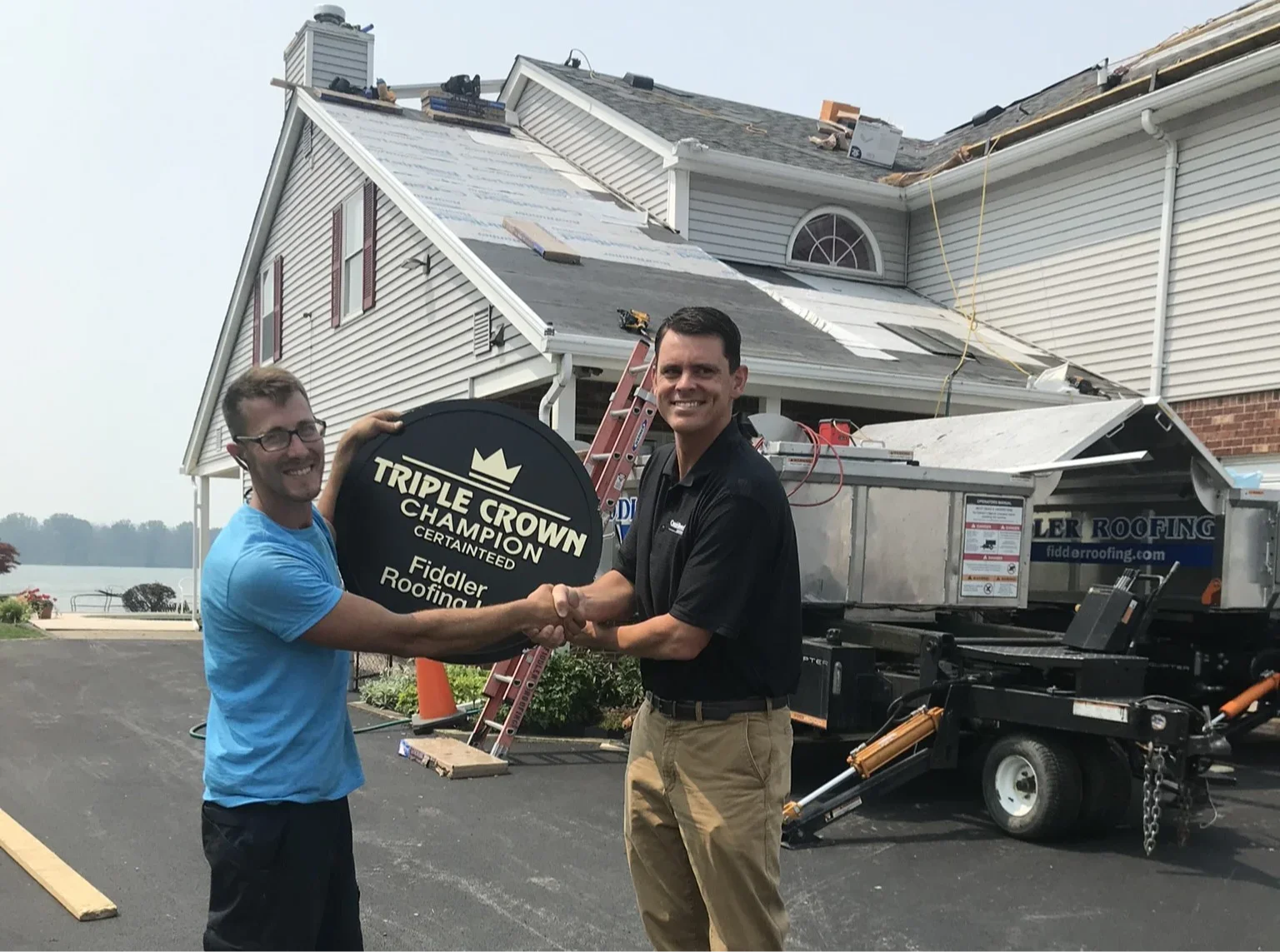
“At Fiddler Roofing, we’ve seen first-hand how believing in roofing myths leads to unnecessary repairs and costly replacements. Trusting a licensed roofing contractor is key to safeguarding your investment.”
Key Takeaways: Protect Your Home from Roofing Myths
-
Roofing myths can threaten your home’s protection and your wallet.
-
Professional roof inspection and contractor selection are critical.
-
Knowledge of roofing materials, ventilation, and gutters prevents costly errors.
Ready to Debunk Roofing Myths?
-
Call us at 716 284 1322 for a free, expert roof inspection and let us help you protect your investment for years to come.
Conclusion: Don’t let roofing myths threaten your peace of mind or your home’s value. Trust proven professionals, schedule regular roof inspections, and get the facts before you act—your roof, wallet, and comfort will thank you.