
Did you know? Even slightly damp insulation can lose up to half its heat-holding power—without looking wet at all. Understanding why moisture is insulation’s #1 enemy is the key to keeping your home warm, your energy bills in check, and your roof safe all winter long.
What You’ll Learn in This Guide to Home Insulation
The true function of home insulation in energy conservation
How moisture undermines insulation material and performance
Key differences between insulation materials, including foam board, fiberglass insulation, and spray foam
Why attic insulation and ventilation are critical for energy efficiency
Expert tips to maximize your insulation solution’s effectiveness
Unconventional Facts About Home Insulation that Every Homeowner Should Know
“Insulation isn’t about creating warmth — it’s about keeping it from escaping. Moisture is insulation’s worst enemy.”
When most homeowners picture home insulation, they often imagine fluffy batts in the attic, simply “keeping the cold out. ” But in reality, insulation’s true job is much more strategic: it slows the escape of warmth, keeping heated air inside your space longer. It’s less about making your house hot—your furnace handles that—and more about preventing that hard-earned heat from slipping out through the walls and ceiling.
One overlooked truth is that even the best insulation fails if it gets damp. Dry air pockets inside materials like fiberglass insulation, spray foam, and foam board provide the resistance your home needs against the winter chill. Once moisture enters these materials, they lose their ability to slow down heat loss, leading to higher energy bills and colder rooms. This guide will help you understand why dry insulation is vital, highlight key differences between insulation types, and offer actionable strategies to keep your home both warm and energy-efficient year after year.
Understanding Home Insulation: Materials and How They Work
How Insulation Material Traps Heat Inside
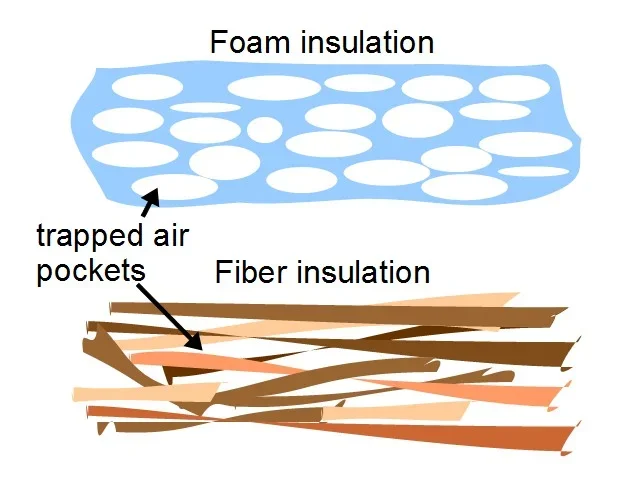
Home insulation functions by creating small air pockets within materials like fiberglass insulation, foam board, spray foam, and board insulation—this is what gives the material its thermal resistance, also referred to as R-value. These air pockets trap heat, slowing down how quickly it can move from the warm inside of your house to the cold outdoors.
There are a few common types of insulation materials: fiberglass insulation (made from spun glass fibers), foam board (manufactured panels of rigid foam), and spray foam (which expands and fills gaps upon application). Each has particular strengths for different spaces in your home. For example, foam insulation excels at air sealing and moisture resistance, while fiberglass batts are a common type used between wall studs and attic joists.
Overview of insulation materials: fiberglass insulation, foam board, spray foam, board insulation
Comparison of insulation materials by R-value and application
Choosing the right insulation material affects how well your house retains warmth and keeps energy bills low. The R-value of a product tells you how well it resists heat flow—a higher R-value means better thermal performance. Not all insulation materials are created equal; some may be better for attic spaces, while others shine in basements or between exterior walls.
For homeowners looking to optimize both insulation and airflow, understanding the importance of proper roofing ventilation is essential. Discover practical strategies and expert insights in our guide to roofing ventilation services for optimal airflow, which can help ensure your insulation stays dry and effective year-round.
Comparison Table: Popular Insulation Materials | ||
Insulation Material | Pros | Cons |
|---|---|---|
Fiberglass Insulation | Good R-value, easy to install, fire resistance, affordable | Can absorb moisture, irritates skin if handled improperly, requires air sealing |
Foam Board | High R-value per inch, moisture-resistant, good for walls and foundations | More expensive, must be cut to fit, some types less effective against fire |
Spray Foam | Superior air sealing, high R-value, moisture and air leakage protection | Professional installation required, higher cost, some types emit fumes during curing |
Insulation Solutions for Different Parts of the Home
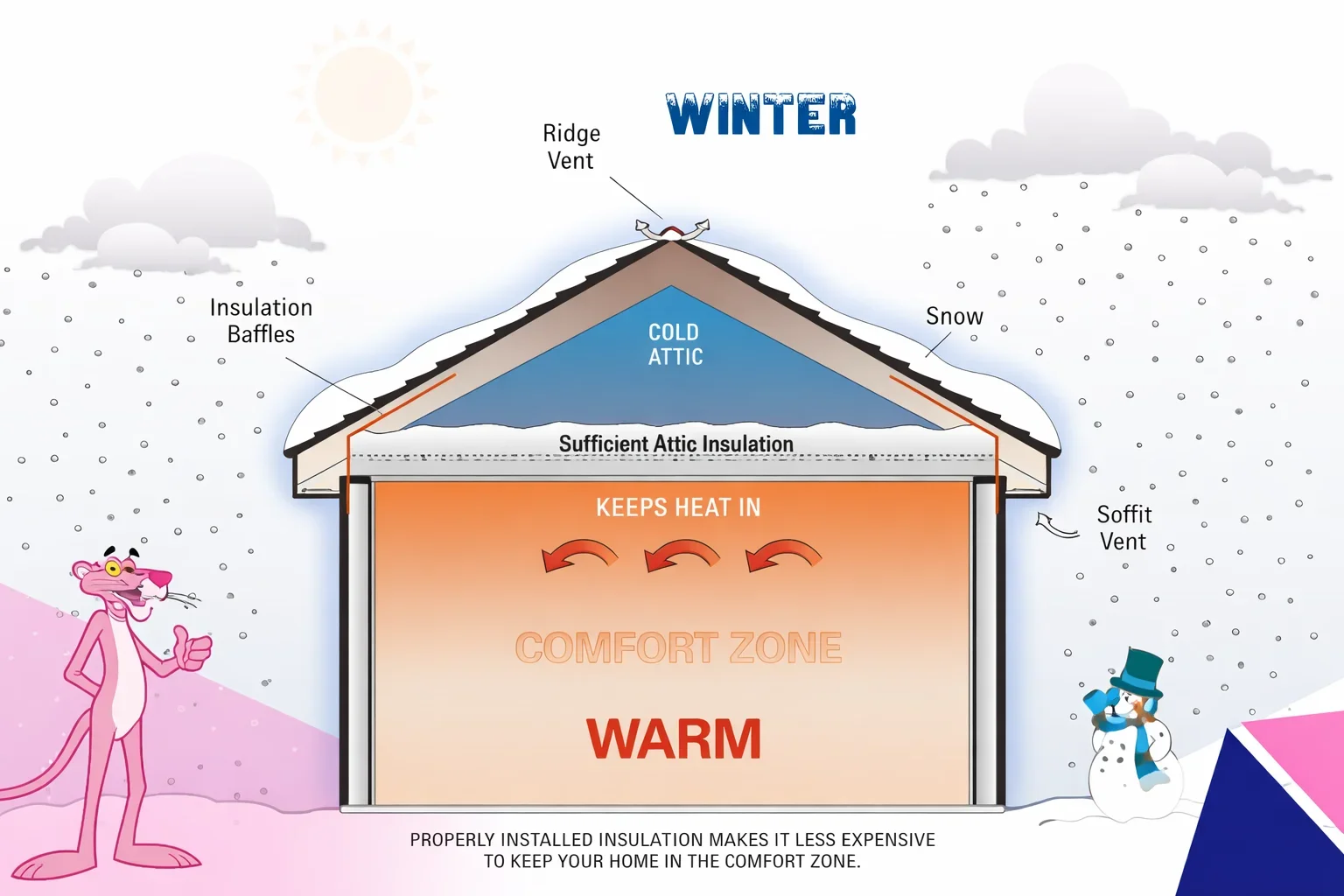
Every area of your house has unique insulation needs. Attic insulation is especially important because heat naturally rises and is most likely to escape through inadequately insulated attics. Materials like fiberglass batts, loose-fill insulation, and spray foam are commonly installed here, each offering different advantages for heat retention and air leakage prevention.
For exterior walls and foundations, rigid foam board offers high thermal resistance and moisture protection. Radiant barrier systems installed in attics reflect radiant heat away from the living space, further improving cooling costs and comfort during hot weather.
Attic insulation: why it matters most
Radiant barrier and board insulation: roles and effectiveness
Foam insulation and its uses
Meanwhile, spray foam insulation is excellent for sealing hard-to-reach or oddly shaped spaces. Its ability to expand and adhere to surfaces makes it effective at preventing the air leakage that can compromise the comfort of your home. Every insulation solution needs to be tailored to the specific part of the home and the threats it faces—especially moisture.
The Critical Role of Dry Insulation Material in Home Insulation Efficiency
Why Home Insulation Fails When Moisture Gets In
Insulation materials are designed to resist heat transfer by trapping dry air, giving them their all-important R-value. When moisture finds its way in—whether from an attic leak or indoor condensation—it collapses those vital air pockets within the insulation. Suddenly, what was a thermal barrier turns into a heat conductor, and your home insulation loses much of its power.
This drop in performance isn’t always obvious: even slightly damp insulation can lose 40–50% of its effectiveness, often without any visible signs of water damage. As a result, the house feels draftier, the furnace works overtime, and energy bills climb. For homeowners, preventing moisture is just as important as installing the right insulation material in the first place.
How moisture collapses air pockets in insulation materials
Impact on household energy bills and heating performance
“Damp insulation can lose up to half its effectiveness without appearing visibly wet.” — Home Energy Expert
Common Sources of Moisture in Home Insulation
Where Does Moisture Really Come From?
Homeowners often assume moisture in home insulation comes only from a leaky roof or water damage, but the reality is more complex. Most moisture originates inside the home through everyday activities—showers, cooking, laundry, even simple breathing all add water vapor to indoor air. If this moist air isn’t managed, it rises and seeks colder surfaces like attic insulation, where it naturally condenses and seeps into the insulation material.
Because warm air rises and carries moisture with it, attics are especially vulnerable. Activities like long hot showers, running a humidifier too high, or poorly vented laundry can create enough indoor humidity to saturate attic insulation even without a single drop of rain coming in from outside. When this cycle repeats daily, even the best insulation solution will suffer unless you address both indoor humidity and attic ventilation.
Inside sources: showers, cooking, laundry, humidifiers, breathing
How moisture moves from living spaces to attic insulation
Spotting Moisture in Home Insulation
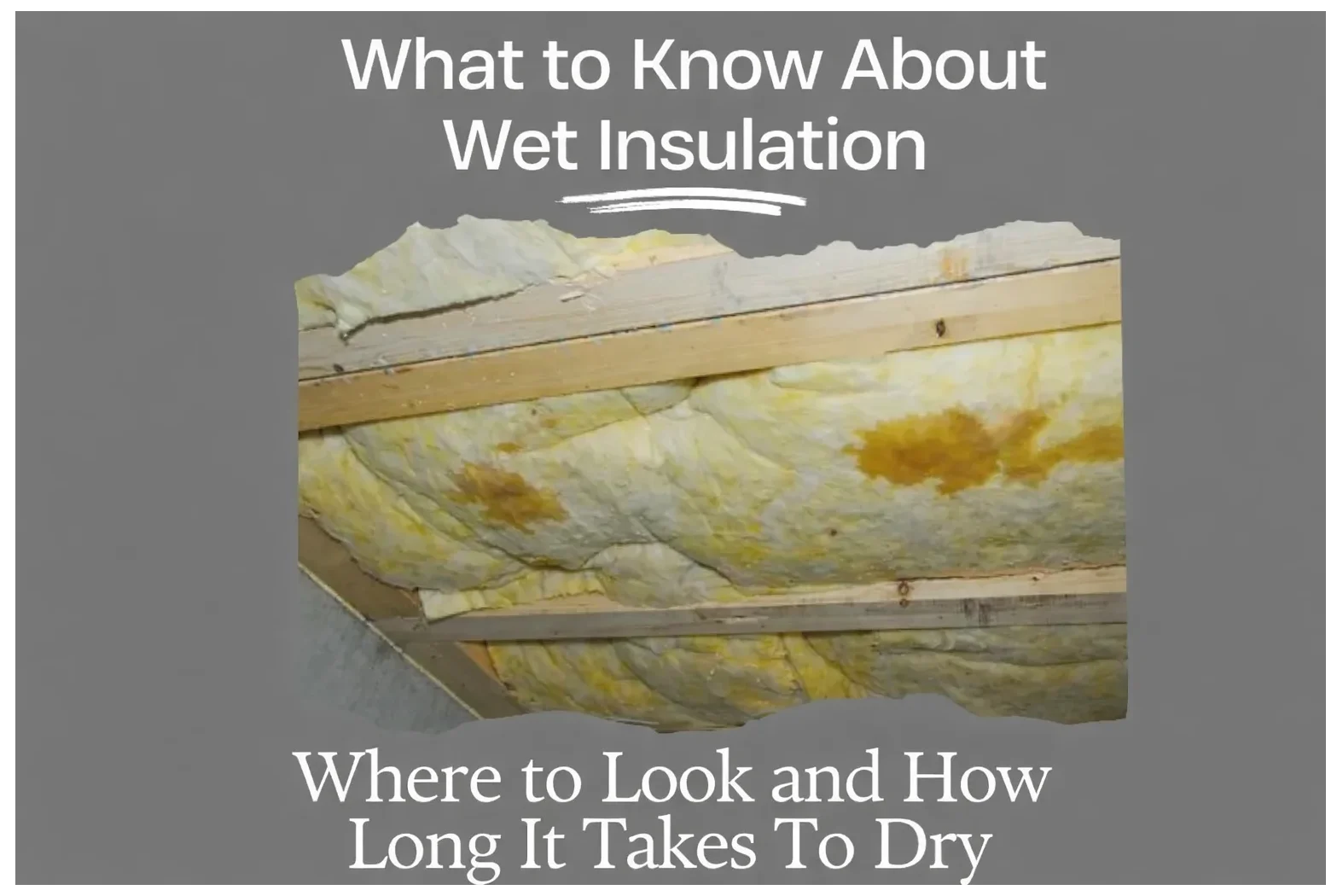
Moist insulation rarely shouts for attention; it whispers. Subtle signs often point to a moisture problem. If you notice rooms feeling colder despite a running furnace, or if your energy bills seem to rise for no clear reason, insulation saturation could be to blame. Other indications include musty odors in attics or crawl spaces, visible matting or discoloration in batts of fiberglass insulation, or obvious damp patches in basement walls.
Certain areas are most at risk: attics, crawlspaces, and wall cavities can harbor hidden moisture for months before visible damage appears. A routine inspection—physically lifting a corner of insulation to check texture and dryness—can help you spot problems before they lead to bigger issues like mold or ice damming. Pay special attention to insulation under bathroom fans, near attic vents, or in exterior walls adjacent to kitchens and laundry rooms.
Signs of ineffective insulation
Common problem areas: attic, crawlspaces, wall cavities
Ice Dams and Roof Issues: How Moist Insulation Jeopardizes Homes
Step-by-Step: From Moisture to Ice Dams
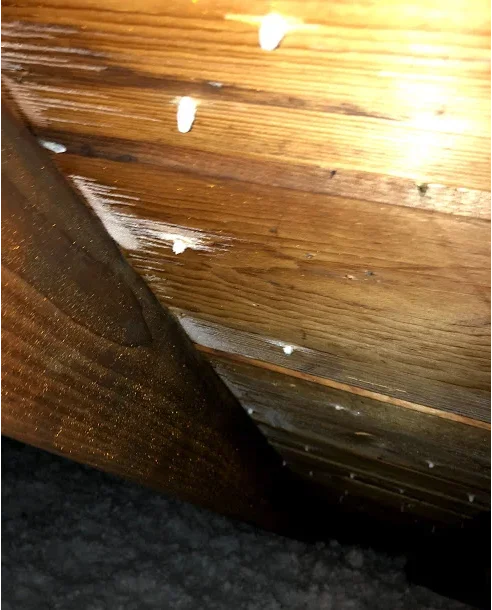
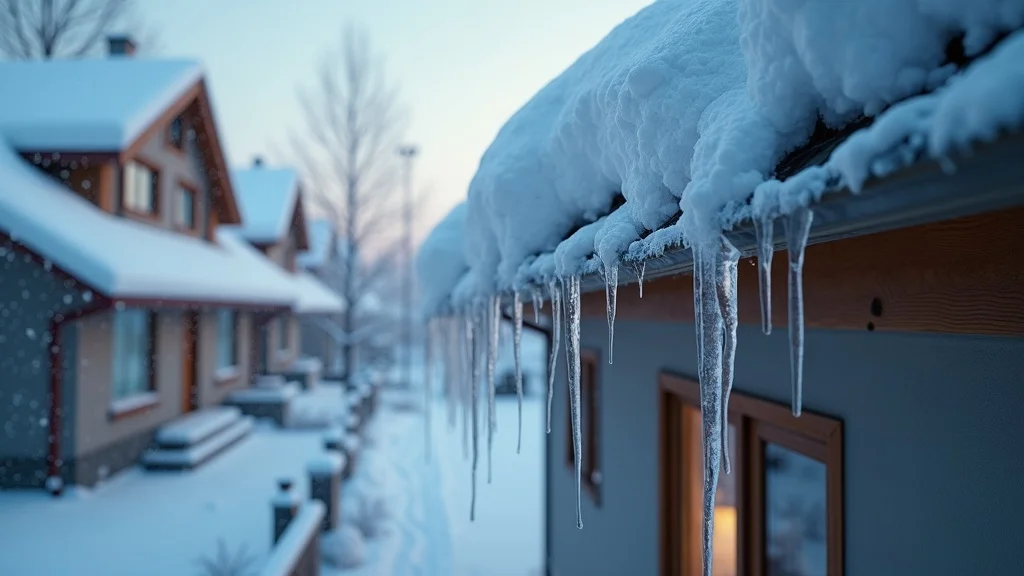
A small moisture problem in your insulation can snowball into major roof troubles during winter—literally. Here’s how it happens: Warm, moist air rising from your living space condenses inside attic insulation. As that saturated insulation loses effectiveness, heat starts to escape through the roof. This causes snow on your roof to melt—except near the eaves, where it can stay frozen.
When that melted water trickles down and refreezes at the cold roof edges, it forms ice dams that block drainage. Water then backs up under shingles and can cause leaks, even if your roof is technically sound. This destructive cycle—heat loss, snow melting, ice dam forming—breeds more moisture issues, roof damage, and increased energy bills as your heating system struggles to keep up.
How warm air drives condensation in insulation material
Cycle of heat loss, snow melt, and ice dam formation
Potential damage to roofing — even with no roof leaks
How Attic Ventilation Protects Home Insulation and Prevents Moisture
Principles of Proper Attic Ventilation
While insulation fights heat loss, attic ventilation is the behind-the-scenes partner that keeps insulation dry and effective. Without steady airflow, attic moisture lingers and encourages condensation inside your insulation material. Attic vents work by allowing warm, moist air to escape, while letting in cold, dry outdoor air to replace it. This not only dries out insulation but helps maintain a consistent roof temperature, critical to preventing the formation of ice dams and reducing cooling costs in summer.
Leading insulation manufacturers like Owens Corning have developed integrated insulation solutions that pair high R-value attic insulation with designed ventilation systems. These solutions emphasize durability, improved home air quality, and lower energy bills by ensuring your insulation material never becomes a trap for humidity. The synergy between attic ventilation and high-quality insulation can extend your roof’s life while keeping your home warm and energy-efficient.
The role of attic vents and airflow
How Owens Corning and leading insulation solutions address moisture
Benefits for insulation longevity and energy bills
“Ventilation doesn’t heat your home — it protects the home insulation that does.”
Choosing the Right Home Insulation Solution: Tips and Best Practices
Selecting Insulation Materials for Moisture Protection
Selecting the right insulation material can mean the difference between a warm, efficient home and one that battles persistent moisture and heat loss. Foam board stands out for moisture resistance and high R-values, making it excellent for basements and areas with potential dampness. Fiberglass insulation is widely used and affordable but requires careful installation to avoid gaps and sagging that encourage air leakage. Spray foam not only delivers superior thermal resistance but also forms an effective air seal, warding off humidity from the outset.
Foam board vs. fiberglass insulation vs. spray foam
Special considerations for radiant barriers and attic insulation
Don’t overlook radiant barrier options, especially if you live in a hot climate where radiant heat gain is a concern. Attic insulation should have enhanced vapor barriers and be installed with ventilation in mind. Assess your unique needs and choose materials that balance insulation power, resistance to moisture, and suitability for your specific environment.
Expert Recommendations for Installation and Maintenance
Professional installation of home insulation is key to achieving the material’s full performance potential. A certified contractor understands air sealing, vapor barriers, building codes, and the best practices for different insulation materials and applications. Homeowners who DIY should pay particular attention to common trouble spots—attics, crawlspaces, and around windows or exterior walls—where improper installation can lead to hidden moisture and heat loss issues.
Why professional installation matters
Regular checks and signs to watch for moisture problems
Air sealing, humidity controls, and integrated insulation solutions
Regularly check your insulation for signs of matting, odor, or visible dampness, and monitor your energy bills for sudden spikes. Combine insulation upgrades with improvements in air sealing and home humidity controls, such as proper ventilation fans in kitchens, bathrooms, and laundry areas. Innovations from industry leaders like Owens Corning integrate these best practices into smart insulation solutions, helping homeowners maximize both energy savings and comfort year-round.
Watch this explainer video to see how moisture dramatically reduces insulation effectiveness, and learn the difference between dry and damp insulation in action. Simple animations and expert commentary make it easy to understand the science behind heat flow, air movement, and why dryness means savings for your home.
People Also Ask about Home Insulation
What is the best type of insulation for your house?
The best insulation depends on your climate, budget, and home design. For attics, fiberglass insulation is a common type due to its affordability and ease of installation; spray foam offers superior sealing for air leakage, ideal for hard-to-reach spaces; while foam board is excellent for basements and exterior wall systems that face higher moisture risks. Consult a professional to select the right blend for your home and local conditions.
How much would it cost to insulate a 2000 sq ft house?
Costs vary depending on the type of insulation material chosen (foam board, spray foam, fiberglass, etc.), the thickness and R-value required, labor fees, and your home’s construction details. Additional considerations like removal of old insulation, professional installation, and air sealing requirements can also impact total expenses. For project-specific budgeting, consult a reputable insulation contractor.
Can you insulate over pebbledash?
Yes, you can insulate over pebbledash exterior walls using either internal or external insulation systems. External insulation boards may be applied over the pebbledash surface before applying a new weatherproof render, or internal wall insulation systems can be fitted inside. Adequate moisture control is essential, as pebbledash can sometimes trap moisture—so always ensure proper vapor barriers and expert installation.
Can I put new insulation over old?
It’s often possible to lay new insulation on top of existing material if the old insulation is dry, in good condition, and free of mold or pest damage. However, if the original layer is wet or damaged, it should be removed to avoid trapping moisture or encouraging mold growth. Always inspect and, when in doubt, consult a professional to ensure safety and maximum energy savings.
FAQs about Home Insulation, Materials, and Moisture
Does insulation help with cooling costs in summer? Yes—proper home insulation, especially with radiant barrier systems, keeps radiant heat out, lowering both heating and cooling costs year-round.
What’s an R-value? R-value measures how well an insulation material resists heat flow. The higher the R-value, the better the insulating power for your exterior walls, floors and ceilings.
Is professional installation necessary? For best results and building codes compliance, yes—especially for spray foam or when tackling major energy saving upgrades.
Can moisture in insulation cause health problems? Absolutely. Damp insulation can breed mold and affect air quality, potentially leading to respiratory issues for home occupants.
Key Takeaways: How to Keep Your Home Warm and Your Insulation Dry
Insulation traps heat, but only when dry
Air sealing, humidity management, and smart material selection can prevent costly moisture issues
Proper attic insulation and ventilation work together for energy efficiency
Routine checks extend the effectiveness of your home insulation solution
See expert installation in action—this short video highlights proven best practices for keeping insulation dry, optimizing attic ventilation, and sealing your home for total energy savings.
Ready to Upgrade Your Home Insulation? Explore Our Expert-Recommended Solutions
Ready to make your home warmer, more energy efficient, and safer from winter moisture? Contact our expert team to explore insulation solutions tailored to your home, or request a personalized quote today for the best in foam board, spray foam, and fiberglass insulation upgrades.
If you’re interested in taking a more comprehensive approach to your home’s comfort and protection, consider exploring the full range of roofing and exterior solutions available from trusted professionals. From advanced insulation to expert roof repairs and upgrades, Fiddler Roofing’s premier services offer the expertise and tailored solutions you need for lasting peace of mind. Dive deeper into how integrated roofing and insulation strategies can maximize your home’s energy efficiency, durability, and year-round comfort. Your next step toward a safer, cozier home could be just a conversation away.