Are you about to invest in your roof—without knowing if you’re fixing the right problem or simply covering up a bigger issue? Before committing to any roofing project, knowing the right questions to ask a roofer can mean the difference between peace of mind and costly headaches down the line. Dive into these must-ask questions to safeguard your home, savings, and sanity—before you spend even a dollar!
What You’ll Learn: Crucial Questions to Ask a Roofer
- How to uncover issues beyond the surface of your roof
- The risks of ignoring underlying roofing problems
- How insurance and support factors into your roofing project
- Why choosing the right roofing contractor impacts your investment
Start Here: Don’t Let Appearances Fool You About Your Roof’s Condition
“The real problem usually isn’t the roof you see—it’s the system you don’t.”
Questions to Ask a Roofer: Why It’s More Than Just Roof Repair
When considering repairs or a new installation, most people focus only on visible roof covering issues, like missing shingles or minor leaks. However, seasoned roofing contractors agree: the visible damage is rarely the whole story. The real trouble may lie beneath the surface, hidden in your attic, roof deck, or ventilation system. Whether you’re facing severe weather aftermath or regular wear and tear, your first step is to ask focused, revealing questions to ensure the roofing project addresses the complete picture. By speaking honestly with a trusted roofing company, you can determine if you need simple roof repair or a total roof replacement. Remember: poor decisions at this stage could mean additional cost, future leaks, or even voiding warranties. So, don’t fix—or ignore—problems without all the facts. Start with these questions, and make sure the answers protect your investment and keep your home safe.
- Should I repair or replace my roof?
- What hidden problems should I consider before a roofing project?
- How severe weather might impact roofing decisions
1. How Much Life Does My Roof Have Left?
Identifying Roof Aging: Signs from Roofing Contractors
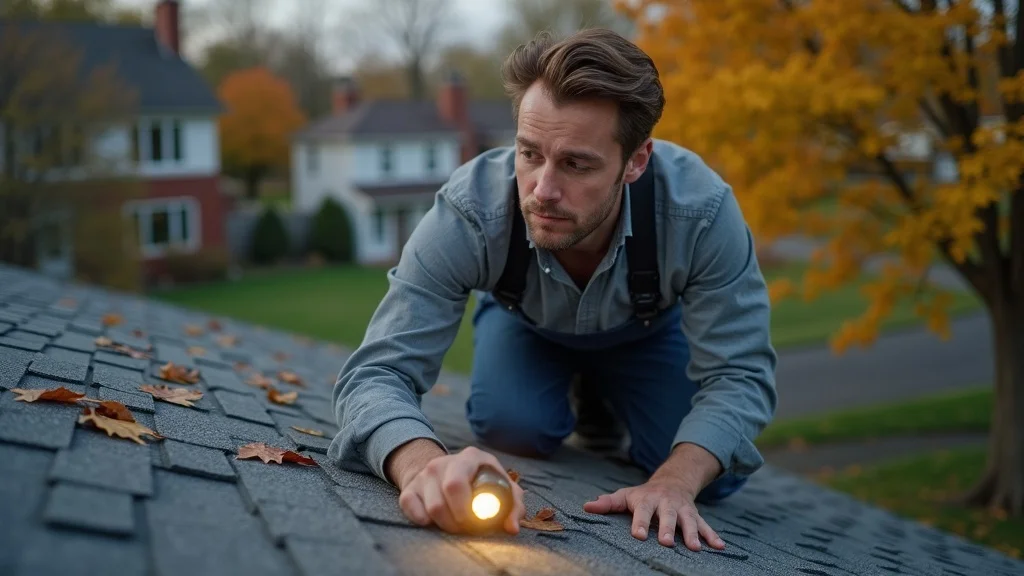
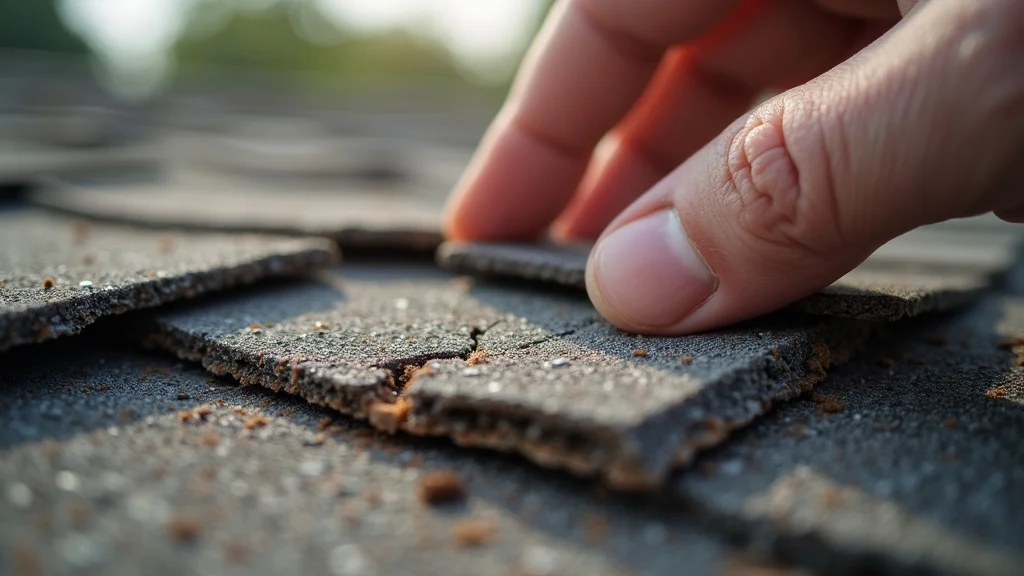
Not every roof that leaks needs to be replaced, but not every roof that appears “okay” still has years left. The first and most critical question to ask a roofer is about the remaining lifespan of your roof. A reputable roofing contractor will look beyond outward appearances—inspecting for curling, cracking, or brittle shingles and checking the loss of granules typical in aging asphalt shingles. These signs can reveal deeper problems within the roofing system, signaling that you may need more than a simple patch job. If your roof is more than 15–20 years old, or if you see these signs of aging, an inspection can help you make the right choice between roof repair and total roof replacement. Be sure to ask if the contractor will provide a detailed written estimate and point out areas of concern. Don’t just trust a quick look—ask for a thorough assessment both inside and out to ensure your home remains safe.
- Curling shingles
- Cracking or brittle shingles
- Loss of granules
2. Is This a Small Issue—Or a Symptom of a Bigger Roofing Project?
Questions to Ask a Roofer about Leaks and Severe Weather Impact
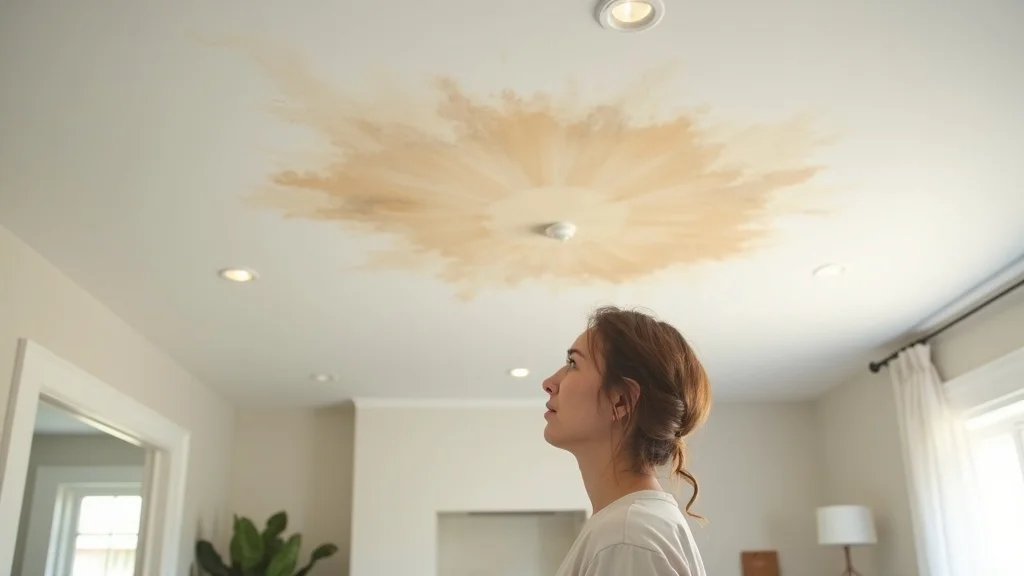
Many homeowners notice a leak or water stain and think a quick repair will keep their home safe. Yet seasoned roofing contractors know: a leak isn’t usually just a leak. Water stains could be a symptom of deeper roofing system failures, often caused by ice damming, poor attic ventilation, insufficient insulation, or failed flashing. Severe weather only increases the risk, and unless these core issues are addressed, any fix may be temporary. One of the most important questions to ask a roofer is whether your current concern signals a broader roofing project. Challenge your contractor to identify the source and severity of the problem—don’t accept vague answers or surface-level solutions. Investing a little more time in diagnosis today can save you from repeat leaks, additional cost, and extensive damage in the future.
- Ice damming
- Poor ventilation
- Attic moisture buildup
- Failed flashing
For more actionable advice on maximizing the value and longevity of your roof, you might find these roof replacement tips especially helpful as you weigh your repair and replacement options.
3. Am I Addressing the Cause or Just the Symptom?
Understanding the Full Roofing System
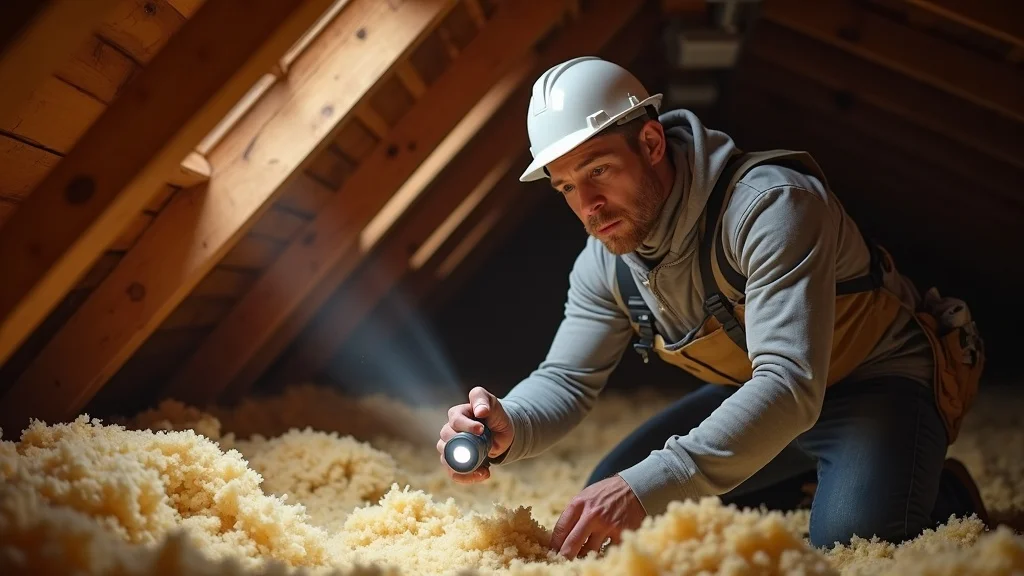
The most persistent roof problems don’t start with the outermost layer—they start in the attic, insulation, or ventilation pathways. As you discuss your roofing project, ask the contractor if their assessment covers the entire roofing system or just the shingles. Patching a symptom, like a leaking area, offers only peace of mind until the next storm hits. Real solutions address the root cause, ensuring your investment lasts for years. For example, if your attic insulation is damp or you have poor airflow, these can contribute to heat loss and ice dams during winter. Roofing contractors familiar with building codes and best practices know the importance of inspecting attic, roof deck, and ventilation structures. Clarify that your estimate includes a full-system check, not just a roofing material patch. The right questions to ask a roofer here can save you from additional costs and help ensure your home is well protected from severe weather.
- Heat loss
- Wet insulation
- Airflow issues from the attic
4. How Many Times Has This Roof Been Repaired Already?
Ask for a Written Estimate and Repair History
A roof that has been patched more than once in the same place is a signal: what you’re facing is a warning sign, not just routine maintenance. Roof repair after roof repair adds up—not just in cost, but also in the risk of compounding problems. The more often a roof receives patchwork fixes, the higher the likelihood of issues like nail pops, moisture intrusion, or failures in the underlying roof deck. Request a repair history and ask your roofing contractor for a detailed written estimate showing frequency and scope of past repairs. Sometimes, a complete roof replacement is more cost-efficient than recurring repairs, especially if building code updates or roofing material advances are considered. Knowing the full story empowers you—not just to decide, but to protect your home’s long-term value and avoid unnecessary additional cost.
- Frequency of past repairs
- When replacements are more efficient than recurring repairs
5. What Happens If I Do Nothing Right Now?
Questions to Ask a Roofer About Water and Mold Risks
Sometimes, waiting seems like the least expensive route—but in roofing, procrastination can turn a small problem into a major project. Water has a way of spreading, soaking insulation, inviting mold, and damaging wood framing. The impact isn’t limited to just the roof covering: a small ceiling stain can turn into soaked wall studs, spoiled insulation, or serious wood rot. The cost and complexity of your roofing project can double or triple as a result. Don’t just ask about repair costs—ask your roofing contractor what the risk is if you delay and what signs suggest immediate attention. Responsible roofing companies should give you honest answers about urgency, letting you choose wisely whether today’s issue can wait or requires quick action. Inquire about mold growth and material deterioration, and always request a full written estimate reviewing current and future risks.
- Water spreading
- Soaked insulation
- Potential for mold and wood damage
6. What Is the Real Cost—Now Versus Later?
| Option |
Immediate Cost |
Long-term Impact |
| Minor Repair |
Lower |
Potential Recurrence, Higher Cumulative Cost |
| Full Replacement |
Higher |
Longevity, Less Frequent Repairs |
The price tag of a roofing project isn’t just what’s on this week’s invoice. It’s the long-term costs of repeated roof repair, water damage, and increased heating or cooling bills if problems remain unresolved. Many homeowners underestimate the additional costs that crop up from inadequate fixes or missed opportunities for total roof replacement. Ask your roofing contractor to compare short-term expenses with the projected lifespan of each solution in a detailed written estimate. With labor and roofing materials rising in cost—and potential disruptions from severe weather—delaying a necessary replacement can double what you pay down the road. Think beyond today’s quote and ask your contractor to walk you through every possible scenario, so you decide once, not twice.
7. Is the Structure of My Roof Still Sound?
Questions to Ask a Roofer about Roof Deck and Rot
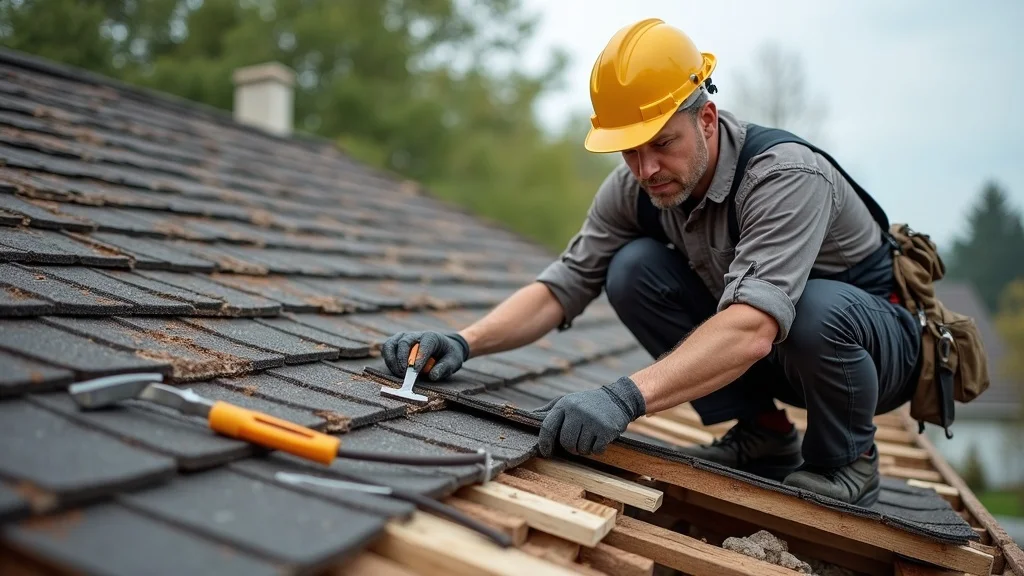
Issues like rot, warped decking, or multiple layers of roof covering can threaten more than just curb appeal—they put the entire roofing system at risk. Ask your contractor to check the integrity of the roof deck, searching for hidden damage under shingles or layers of older roofing material. If signs of rot or water intrusion are present on the roof deck or in attic rafters, you could be facing bigger problems than just a simple leak. Ask for a thorough inspection (with photos if possible), and include these findings in your written estimate. Don’t overlook these concerns—if the structure is compromised, even the best repair won’t last, and your home’s safety could be jeopardized. Proactive questions to ask a roofer here ensure all issues are addressed, not just the ones you see.
- Decking integrity
- Multiple layer issues
- Hidden rot under shingles
8. How Long Will This Repair Last Compared to a New Roof?
Roofing Contractor Insights on Durability
Every repair or replacement comes with an expected lifespan.
Ask your roofing contractor outright: How long should you expect this repair to last compared to a full roof installation? While minor roof repairs might hold up for a few years—or even just a season—new roof installations using modern roofing materials can provide peace of mind for decades. The answer will depend on factors like roofing material, existing roof age, installation methods (such as ring shank nails for greater hold), and weather conditions in your region. Make sure your contractor outlines warranty expectations and offers a written estimate that details both scenarios. That way, you’re not surprised by additional cost or disappointed when roof repair falls short of your hopes.
- Average repair lifespan
- Expected duration of a new roof
9. Will Insurance Cover Any Part of This Roofing Project?
Questions to Ask a Roofer About Insurance and Severe Weather Claims
Many homeowners don’t realize that insurance may pay for repairs or replacement if damage was due to wind, hail, or other severe weather. The best roofing contractors guide you through the process—helping you document damage, understand the 25% rule in roofing claims, and submit clear written estimates for your claim. Always ask if your roofing contractor can help you work with insurance adjusters, provide the correct proof of damage, and explain what’s covered versus what isn’t. Missing this question can mean missing out on your coverage and handling avoidable additional costs from your own pocket. Take the guesswork out by clarifying insurance details before any work starts.
- Coverage for wind, hail, or storm damage
- How to properly document a claim
10. Who Diagnoses My Roof—Can I Trust Their Expertise?
Questions to Ask a Roofer About References and Written Estimates
Not all roofing contractors conduct an in-depth assessment. Before you commit, confirm that the professional is licensed, experienced, and will inspect the entire system (attic, roof deck, ventilation, and roof covering). Ask directly for references from recent roofing projects—don’t just rely on online reviews or generic claims. A trustworthy roofing company will not hesitate to provide references, proof of liability insurance, and detailed, written estimates. They’ll also be reachable through a clear customer support number in case you have follow-up questions, want clarification, or need to call the customer support regarding your roofing project. These questions protect you against rushed jobs, upcharges, and unreliable service—giving you certainty in your choice.
- Does the contractor inspect the entire system?
- Will they provide references?
- Do they offer a detailed, written estimate?
Watch this brief explainer to see the most critical questions every homeowner should ask a roofing contractor. This video walks you through inspection tips, reviewing written estimates, and typical before-and-after results.
Bonus Checklist: Before You Hire Any Roofing Contractor
- Ask for proof of liability insurance
- Check for a customer support number and responsiveness
- Request references from recent projects
- Confirm the roofing contractor’s licensing and certifications
Key Takeaways: Questions to Ask a Roofer That Save Money and Stress
- Start with a comprehensive system assessment, not just surface damage
- Evaluate the long-term cost, not just today’s quote
- Ensure your roofing contractor is transparent and supported by references
People Also Ask: Common Roofing Contractor Questions
What is the 25% rule in roofing?
The 25% rule typically refers to an insurer’s policy: if over 25% of your roof is damaged, you may qualify for a full roof replacement instead of just roof repair. Always verify with your insurance provider and your roofing contractor for specifics.
How can you tell a good roofer?
A reputable roofer is licensed, insured, provides references, sets clear timelines, and starts each roofing project with a thorough inspection. Use these questions to ask a roofer to gauge their professionalism and transparency.
Is $30,000 too much for a roof?
Roofing costs depend on your roof size, materials, labor, and local market. While $30,000 may be high for some, it could be appropriate for a large or architecturally complex home. Always collect several written estimates from reputable roofing contractors for comparison before moving forward.
What not to say to a roof insurance adjuster?
Do not speculate or admit fault about damage causes when speaking with an insurance adjuster. Stick to the facts, share documented evidence, and allow your roofing contractor to explain findings where possible for a smooth insurance process.
FAQs: Questions to Ask a Roofer and Roofing Contractors
- What should I ask before approving a roofing project? Request a full written estimate, inquire about the roofing materials, ask about the roofing contractor’s license and insurance, and get references from recent roofing projects.
- How do I handle customer support issues for roofing work? Make sure your roofing contractor provides a customer support number and is responsive to follow-up questions or concerns after the roofing project.
- Why do references from roofing contractors matter? References offer you insights into the contractor’s quality, reliability, and communication. Good contractors are always happy to provide references for peace of mind.
- What is included in a written estimate for a roof? A thorough written estimate outlines labor, materials, timeline, warranty, and scope—so you know exactly what to expect before work begins.
This detailed guide offers interview tips and question prompts for your first meeting with a prospective roofing contractor, so you can confidently choose the right professional for your roofing project.
Ready for Answers? Let’s Discuss Your Roof —Call us at 716 284 1322
Still have questions to ask a roofer? Need personalized advice about your roof’s condition, repairs, replacement, or insurance claim process? Contact our expert team today at 716 284 1322—it’s the first step to peace of mind!
Conclusion
Asking the right questions to ask a roofer is the best way to protect your investment and your home. Start with a comprehensive approach, demand clarity, and always partner with a transparent, qualified roofing contractor. Don’t just fix a problem—solve it right the first time.
If you’re ready to take your roofing knowledge even further, explore the full range of solutions and expertise available from Fiddler Roofing’s premier services in Niagara Falls, NY. Discover how a professional team can guide you through every stage of your roofing project, from initial inspection to final installation, ensuring your investment is protected for years to come. Whether you’re seeking advanced materials, specialized repairs, or strategic advice for your unique property, their comprehensive approach delivers peace of mind and long-term value. Take the next step toward a safer, smarter roof—your home deserves nothing less.