
Startling statistic: Homeowners who follow a roof maintenance checklist are up to 75% less likely to suffer major roofing problems. A neglected roof can turn even the happiest home into a source of stress. With weather extremes becoming more common, Fiddler Roofing urges you to take charge of your roof’s health—not just once a year, but every season. This guide delivers a simple, practical roadmap for roof care, helping you secure a home protected from leaks, damage, and costly repairs. Whether you have an asphalt shingle, metal roof, or flat roof, use this comprehensive checklist to keep every roof type strong and leak-free, all year round.
Safeguard Your Home: Why the Year-Round Roof Care Checklist Matters
A year-round roof care checklist isn’t just about ticking boxes—it’s a proven strategy to expand the life of your roof and prevent expensive surprises. Yearly upkeep protects against the slow, invisible toll of weather fluctuations, debris, and everyday wear, which can lead to roof damage and threaten your home’s safety. Regular roof inspections act as an insurance policy, spotting issues before they cascade into bigger, more expensive problems.
An organized maintenance plan, like the one offered by Fiddler Roofing, blends do-it-yourself checks with professional oversight. This approach helps you catch early warning signs, from missing asphalt shingles to clogged gutters, and resolves them before they disrupt your household or require emergency calls to a roofing contractor. Even small acts of care—such as cleaning gutters or checking vents—can prevent major leaks and costly repairs, keeping your home protected all year long.
-
Uncover how a year-round roof care checklist extends roof longevity and prevents roof damage.
-
Learn about the connection between regular roof inspections and successful home protect strategies.
-
Explore how professional roof care from Fiddler Roofing prevents costly repairs.

What You’ll Learn from This Year-Round Roof Care Checklist
This educational checklist is your all-season roadmap to roof health. It’s structured for homeowners of every level—whether you’re maintaining a classic asphalt shingle roof, a sleek metal roof, or a durable flat roof. With actionable steps and expert explanations, you’ll confidently handle seasonal tasks, spot trouble early, know when to call an expert, and always have a roof maintenance checklist at your fingertips.
Consistent care, guided by this checklist, has a direct line of defense effect on your roofing system—reducing risks of leaks, insulation issues, and even structural damage. Each section breaks down seasonal must-dos, tailored advice for various roof types, and pro tips that separate merely “checking” from truly “protecting” your home.
-
The benefits of following a seasonal maintenance checklist for every roof type
-
Step-by-step tasks for winter, spring, summer, and fall roof maintenance
-
Tips for asphalt shingle, flat roof, and metal roof systems
-
How to tell when you need a professional roof inspection
-
How to keep your home protected from leaks all year
Startling Roof Facts: The Impact of Regular Roof Maintenance
Did you know? Homeowners who follow a roof maintenance checklist are up to 75% less likely to suffer major roofing problems.
Roof Maintenance Is Home Protection All Year Long
Your roof works 24/7, facing relentless rain, heavy snows, blistering sun, and powerful winds. When you make roof maintenance routine rather than reactive, you build a barrier against leaks, rot, and unwanted intrusions. Studies reveal that homeowners who schedule regular roof inspections or review their maintenance checklist seasonally have roofs that last years longer compared to those who ignore these simple steps.
Fiddler Roofing stresses: preventative care isn’t just about repairs; it’s about maximizing roof lifespan and shielding your family. Even small investments of time—like cleaning gutters or visually scanning for loose flashings—deliver major returns in home safety, curb appeal, and value. In essence, roof maintenance is the most reliable line of defense to keep your home protected regardless of weather or roof type.
Winter: Year-Round Roof Care Checklist for Cold Weather
Check Attic Insulation & Ventilation to Prevent Roof Damage
As cold settles in, your attic becomes a battleground. Inadequate insulation or ventilation lets warmth escape, leading to uneven melting and refreezing on roof edges—a top cause of destructive ice dams on all roof types, including asphalt shingle, flat roofs, and metal roofing. A well-insulated, ventilated attic keeps temperatures stable and your roof dry, reducing the risk of winter roof damage. Fiddler Roofing recommends inspecting for drafts, blocked soffit or ridge vents, and any moisture buildup in the attic before heavy snow arrives.
-
Inspect for warm air leaks in attic
-
Ensure balanced ventilation reduces risk of ice damming on every roof type
Inspect for Ice Dams and Act Quickly
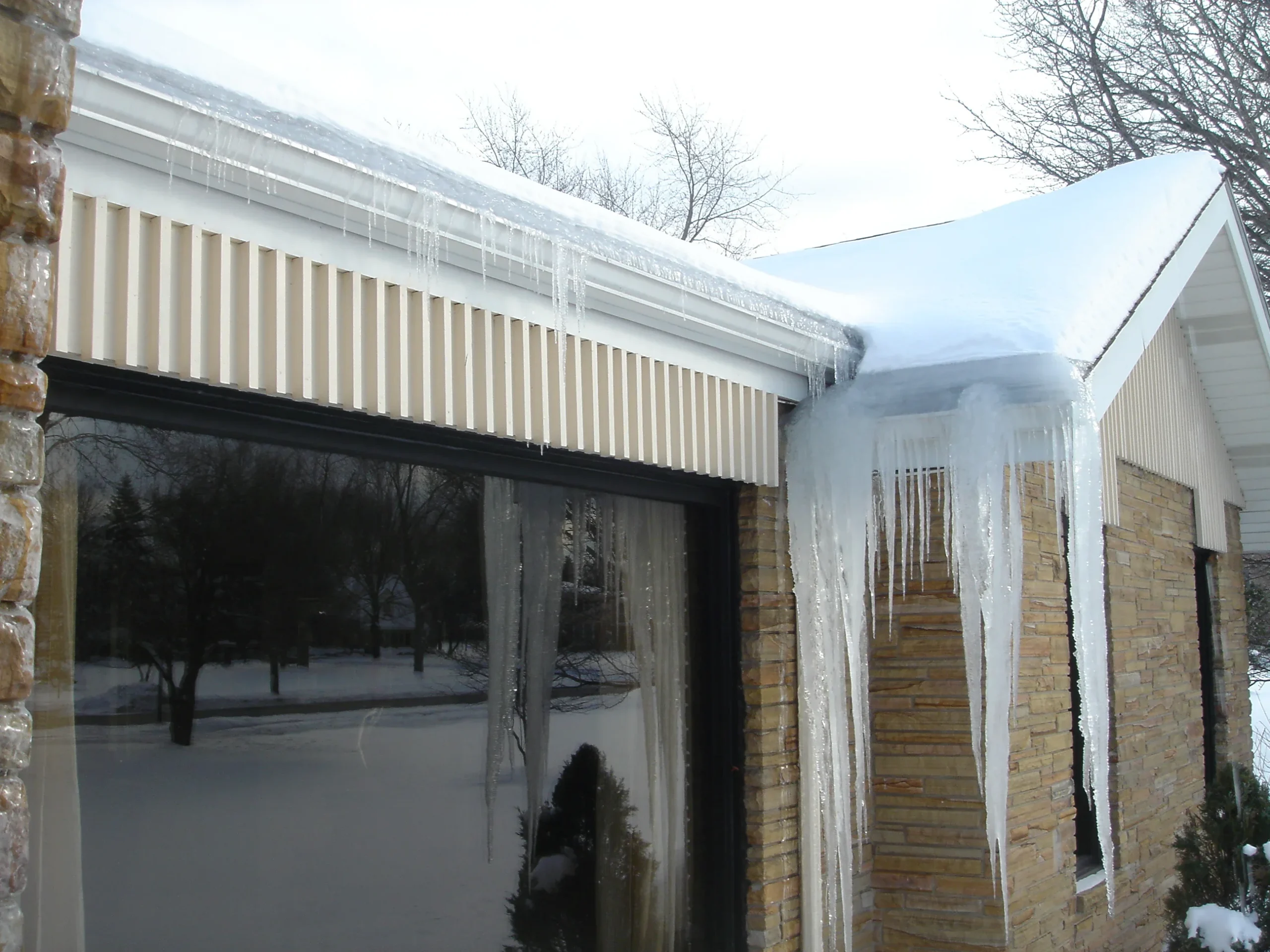
After significant snowfall, check your roof’s eaves for tell-tale ridges of solid ice—these ice dams force melting water under shingles and into your home, causing leaks and structural issues. This is especially critical for flat roofs and metal roofs, but any roofing system is vulnerable if conditions are right. Act promptly: use a roof rake to remove snow, and avoid using sharp tools that can puncture roofing materials. If ice damming is severe or persistent, a professional roof assessment is recommended.
-
Look for ice ridges forming on eaves (especially on flat roofs and metal roofing)
-
Remove accumulated snow with a roof rake to avoid free roof hazards
Clear Heavy Snow Loads on Asphalt Shingle and Metal Roofs
Heavy snow is more than a nuisance—it’s a silent threat to your home, especially on asphalt shingle and metal roofs. Watch for accumulation over 6 inches, and clear it after every major storm. Remember, excessive snow increases the odds of sagging or even structural collapse. Use a roof rake from the ground whenever possible, and if you notice unusual creaks, visible sagging, or deep drifts, it’s time to bring in a professional roofing contractor like Fiddler Roofing for safe, expert removal.
-
Assess snow depth after storms
-
Call a professional roofing contractor if snow is excessive
“Winter roof maintenance saves you from hidden leaks and structural stress.” — Fiddler Roofing Expert
Spring: Roof Maintenance Checklist after Winter Weather
Examine Asphalt Shingles and Flat Roofs for Winter Damage
Spring is prime time to inspect your roof for winter’s aftereffects. For asphalt shingles, look for curling, cracking, or gaps—these weak points are easy entry spots for spring rains. Flat roofs are vulnerable to pooling water and membrane tears, while metal roofs may show rust or loose fasteners. Early detection helps you prevent leaks before they appear and safeguards the life of your roof for the next season.
-
Check for cracked, curling, or missing shingles
-
Spot signs of roof damage due to freeze-thaw cycles
Clean Gutters and Downspouts: Protect Your Home’s Foundation
Winter debris can clog your gutters and downspouts, setting the stage for water to overflow and damage siding, landscaping, or seep into your basement. Routinely cleaning these drainage channels ensures water flows freely away from your roofing systems and helps protect your home from leaks, mold, and foundational problems. Don’t forget—proper drainage is vital for every roof type.
-
Remove winter debris from gutters and downspouts
-
Ensure proper drainage to avoid siding and basement leaks
Inspect Flashings and Sealants: Eliminate Potential Leak Points
Flashings—those thin strips of metal or rubber around chimneys, skylights, and vents—are common weak spots where water can sneak inside. Look for cracked sealant, lifted edges, or signs of corrosion, especially after temperature swings. If you see gaps or heavy wear, reseal promptly or call Fiddler Roofing for a thorough professional roof inspection.
-
Check chimneys, skylights, and vents for damaged flashing
-
Reseal weak points as part of your maintenance checklist

Summer: Year-Round Roof Care Checklist for Ventilation and Growth
Inspect Ridge and Soffit Vents for Optimal Roof Performance
Heat builds up fast during summer. Clear, functioning ridge and soffit vents are crucial for allowing hot air to escape, keeping your attic—and entire roofing system—cool. If vents are blocked by insulation, leaves, or nests, attic temperatures can skyrocket, shortening the lifespan of asphalt shingles and encouraging moisture-related issues. Make vent checks a staple of your summer roof maintenance checklist.
-
Clear blockages from vents to increase ventilation
-
Prevent high attic temperatures that lessen roof lifespan
Look for Moss, Algae, or Mildew on Asphalt Shingles
Those colorful patches on your roof aren’t just cosmetic: moss, algae, and mildew trap moisture against asphalt shingles or even metal roofing, causing decay and slippery surfaces. Inspect your roof for green, brown, or black spots, especially in shaded areas. Remove growths quickly using safe, manufacturer-approved cleaning solutions to keep your roof type in its best shape.
-
Spot green or black patches on roof surfaces
-
Treat promptly with safe cleaning agents
Trim Overhanging Branches: Prevent Roof Damage
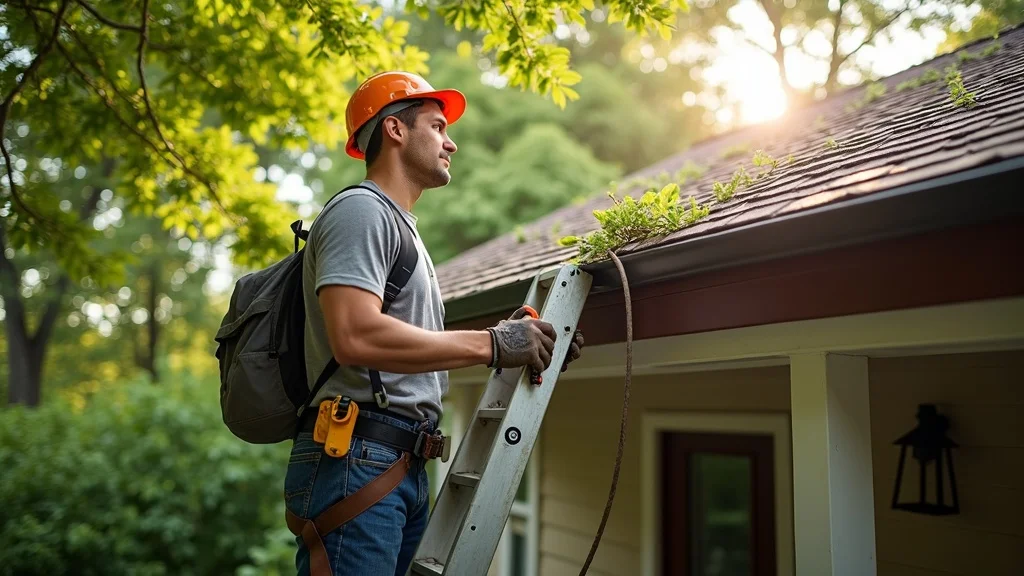
Tree branches can cause severe roof damage in a single storm—either by falling or shedding leaves that clog gutters and retain moisture on shingles. Regularly trim back all limbs hanging over your roof, no matter your roof type. This simple act not only reduces storm hazards and debris, but also lets the sun keep your roof dry, extending its life.
-
Cut back limbs that could fall on any roof type during storms
-
Reduce debris accumulation, assist with sun exposure
Fall: Roof Maintenance Checklist Before Winter Sets In
Clean Off Roof Debris from Your Asphalt Shingle, Metal Roof, or Flat Roof
Leaves, twigs, and other debris hold moisture against your roof, speeding up the breakdown of asphalt shingles and increasing the risk of mold on metal roofs and flat roofs. Before cold weather hits, sweep or gently blow debris off all roof surfaces. This ensures your roofing material is exposed and dry, preparing you for winter ahead.
-
Sweep away leaves and twigs
-
Prevent mold and shingle breakdown
Final Gutter & Downspout Check: Avoid Roof Damage
Do a final check on gutters and downspouts before snow and ice set in. Blocked drainage can become frozen, worsening leaks and even tearing gutters from your roof edge. Ensure all channels are clear, sloped properly, and repair any sections with cracks or loose fasteners as part of your fall roof maintenance checklist.
-
Double-check clear drainage before snow
-
Repair or replace damaged sections
Schedule a Professional Roof Inspection with Fiddler Roofing
Fall is the perfect season to bring in experienced eyes. Scheduling a professional roof inspection with Fiddler Roofing means a certified technician will check not only for visible damage but also hidden weaknesses missed during regular homeowner reviews. They’ll advise on preventative steps, recommend repairs, and help you avoid emergencies, keeping your roof protected and ready for winter weather.
-
Certified roofing contractor evaluates potential concerns
-
Spot problems missed during routine homeowner inspections

Year-Round Roof Care Checklist Table: Seasonal Tasks at a Glance
|
Season |
Key Tasks |
Roof Types Addressed |
|---|---|---|
|
Winter |
Insulation check, ice dam inspection, snow removal |
Flat, metal, asphalt shingle |
|
Spring |
Shingle review, gutter cleaning, flashings |
All types |
|
Summer |
Vent cleaning, moss/algae removal, trimming branches |
All types |
|
Fall |
Debris removal, final gutters, professional inspection |
All types |
Expert Insights: Quotes on Why Roof Maintenance Matters
“Consistent roof inspection and maintenance checklist reviews are the top defense against leaks, rot, and costly repairs.” — Local Roofing Specialist, Fiddler Roofing
Pro Tips for Every Roof Type: Asphalt Shingle, Flat, and Metal Roofs
Every roof type has unique needs and vulnerabilities. Tailoring your maintenance plan ensures you’re addressing potential issues specific to your asphalt shingle, flat roof, or metal roof. Staying proactive is your best bet for roof maintenance that extends lifespan, reduces risk, and saves money in the long run.
-
Check for pooling water on flat roofs after storms
-
Watch for rust or corrosion on metal roof fasteners
-
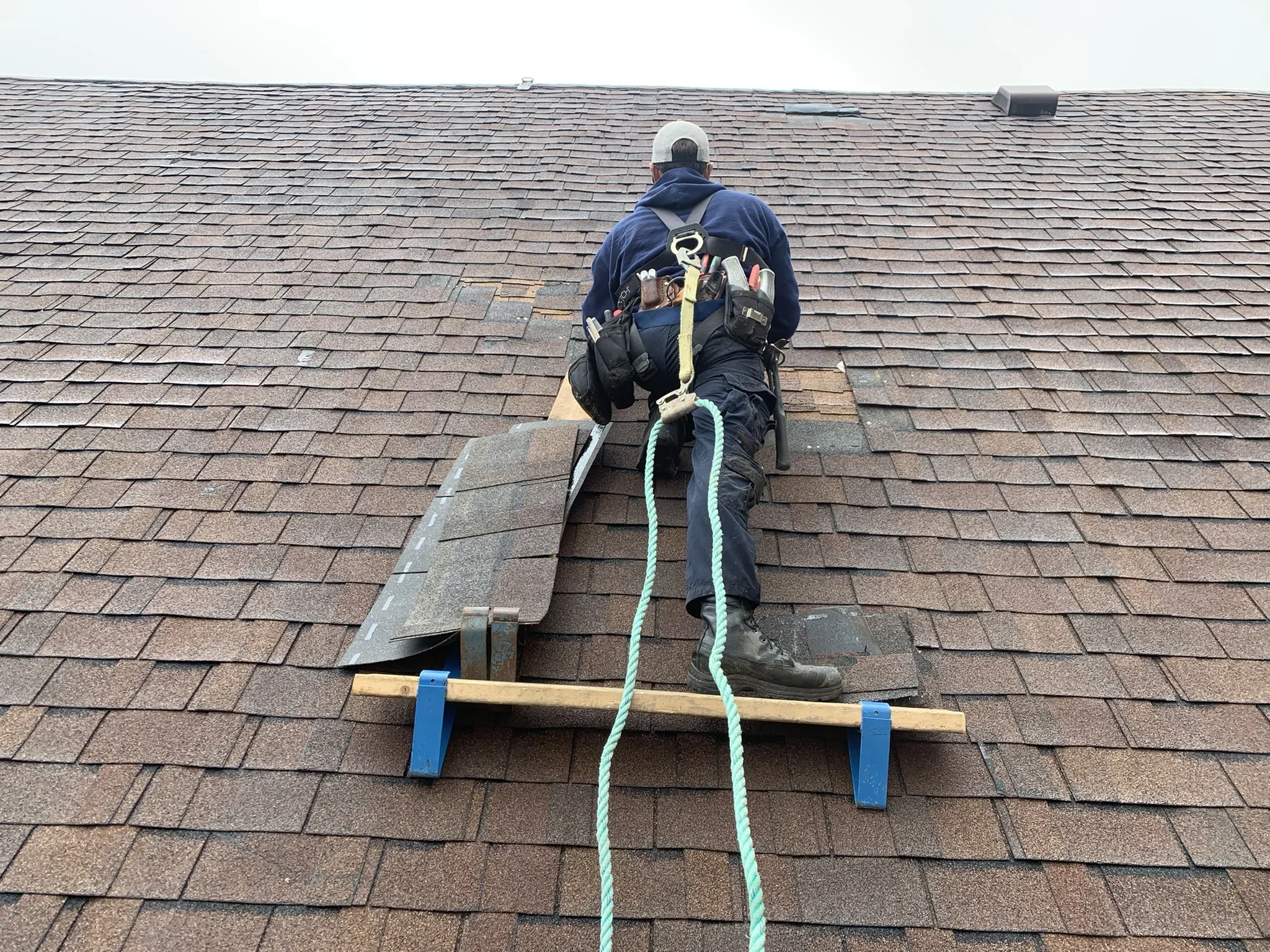
Replace broken asphalt shingles immediately
People Also Ask About the Year-Round Roof Care Checklist
What is the 25% rule for roofing?
Answer:
-
The 25% rule for roofing often refers to insurance or code guidelines stating that if more than 25% of a roof is damaged, it may justify a full roof replacement rather than just repairs.
What is yearly roof maintenance?
Answer:
-
Yearly roof maintenance includes scheduled inspections, cleaning gutters, checking for damage, maintaining flashings and sealant, and scheduling any needed repairs to ensure your home is protected all year.
Is $30,000 too much for a roof?
Answer:
-
Roof replacement costs vary widely by size, roof type, and local rates. $30,000 can be high for a standard residential roof, but may be reasonable for large or complex roofing projects or high-end materials.
How to tell if a roofer is lying?
Answer:
-
Look out for inconsistent inspection findings, lack of proper credentials, reluctance to provide references, and pressure tactics. Always seek multiple quotes and verify with professional roofing contractor associations.
Frequently Asked Questions (FAQs) About Roof Maintenance Checklist
-
How often should I schedule a free roof inspection? Experts recommend twice a year—once in spring and again in the fall, or after major storms.
-
What’s the difference between metal roofing and asphalt shingles for maintenance? Metal roofs generally need fewer repairs and resist algae, but must be checked for rust and loose fasteners; asphalt shingles require more attention to granule loss and curling.
-
When should I hire a professional roof inspector versus DIY checks? Bring in a professional if you see leaks, after severe weather, or at least once a year for a thorough inspection.
-
What are signs of common roofing problems? Watch for missing shingles, ceiling stains, visible sagging, granules in gutters, or damp attic insulation—these signal active or developing roof damage.
-
Can regular roof maintenance lower my insurance premiums? Yes, many insurers recognize proactive care and may offer discounts for documented maintenance and professional inspections.
Key Takeaways for Year-Round Roof Care Checklist
-
Follow a structured maintenance checklist for year-round roof health
-
Address seasonal challenges proactively to protect your home
-
Consult with Fiddler Roofing for professional inspections and major repairs
Watch:
Ready to Protect Your Roof?
-
Call us at 716 284 1322 for your professional roof inspection or to schedule expert maintenance with Fiddler Roofing.
Conclusion: Proactive, seasonal roof care keeps your home protected, extends the life of your roof, and helps you avoid costly repairs. Start your checklist today and enjoy lasting peace of mind.