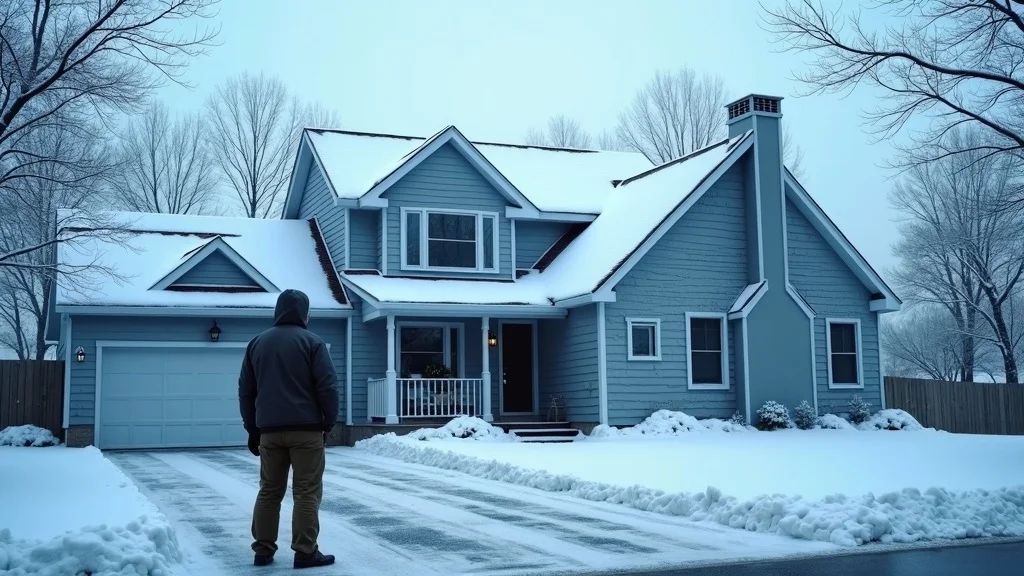
Did you know that over 80% of early roof failures are caused by improper installation or neglected maintenance—costing U.S. homeowners billions every year, especially in harsh winter climates like Western New York? When you live in Niagara or Erie county, your roof isn’t just a finishing touch—it’s a critical shield against relentless lake-effect snow, high winds, freezing rain, and brutal freeze-thaw cycles. Making the wrong choice or skipping basic maintenance can mean the difference between minor repairs and catastrophic water damage. This guide exposes the roofing mistakes to avoid to save you thousands and preserve your peace of mind.
Startling Fact: Why Avoiding Roofing Mistakes Matters More in Western New York
In Western New York, your roof does far more than keep you dry—it’s your home’s first and most vital defense against a barrage of seasonal challenges like heavy snow, ice dams, high winds, and rapid temperature swings. A common roofing mistake that might be minor in a southern climate can spell disaster in WNY, where roofs face months of stacked snow and bone-chilling winds. The unique local weather accelerates damage, multiplies the risk of costly repairs, and can even void warranties if you’re not careful. Taking shortcuts during installation, skipping seasonal roof inspections, or neglecting early roof repairs often leads to water damage, structural issues, and insurance headaches. Homeowners who recognize and sidestep these common roof mistakes save thousands, boost property value, and ensure their homes stay safe no matter the forecast.
While avoiding these common roofing mistakes is essential, it’s equally important to recognize warning signs when hiring a contractor. If you’re unsure what to look for, reviewing the red flags that signal an unreliable roofing contractor can help you make safer, more informed decisions for your home.
“According to national statistics, improper roof installation or neglected maintenance is responsible for over 80% of early roofing failures—costing U.S. homeowners billions each year, especially in extreme climates.” – National Roofing Contractors Association
What You’ll Learn: Common Roofing Mistakes to Avoid to Ensure Roof Longevity
The 12 most damaging roofing mistakes Western New York homeowners make
How severe weather influences roofing mistakes to avoid in Niagara and Erie counties
Best practices for roof repair, inspection, and working with a professional roofer
Table: 12 Roofing Mistakes to Avoid and Their Costly Consequences
Roofing Mistake | Typical Outcome | Recommended Solution |
|---|---|---|
Ignoring Ice Dam Prevention | Water Damage | Upgrade Insulation & Ventilation |
Choosing the Cheapest Contractor | Poor Installation | Hire Certified Local Pros |
Skipping Attic Ventilation | Mold & Wood Rot | Balance Intake/Exhaust |
Overlooking Insulation Upgrades | High Bills, Ice Dams | Add Proper Insulation |
Delaying Roof Replacement | Structural Damage | Timely Inspections, Replace Promptly |
Settling for Standard Shingles | Wind Damage | Use Architectural/Premium Shingles |
Ignoring Gutters and Drainage | Ice Backup, Flooding | Clean/Pitch Gutters |
Poor Chimney Flashing | Leaks | Use Quality Flashing |
Forgetting About Snow Load | Collapse, Wear | Reinforce, Add Snow Guards |
Not Checking Warranties | Costly Repairs | Work with Certified Installers |
DIY Repairs in Wrong Season | Failed Repairs | Leave to Pros in Winter |
Not Working with a Local Expert | Missed Codes, Poor Winterproofing | Hire WNY Specialists |
Roofing Mistake 1: Ignoring Ice Dam Prevention in Harsh Winters
Ice dams are a notorious problem throughout Western New York’s winter. When attic heat loss melts rooftop snow, the water runs down to the eaves and re-freezes over the colder edge, forming a dam. This common mistake leads to water backing up under roofing systems, causing leaks, warped or missing shingles, mold, and even hidden structural issues inside walls and ceilings. Skipping ice dam prevention quickly results in expensive repairs and can shorten the lifespan of your roof significantly.
Prevention requires a multi-pronged approach. First, address attic heat loss by upgrading insulation to minimize temperature fluctuations. Coupled with balanced attic ventilation (ensuring both intake and exhaust vents are clear and functional), this helps keep your attic cold—even while your home stays warm. Additionally, maintain clear drainage: make sure gutters and downspouts are free of debris that could trap melting snow. Following these steps reduces ice dam formation, lowers your risk for costly water damage, and maintains energy efficiency throughout the harshest months in Niagara and Erie counties.

Common Roofing Mistake: Letting Ice Dams Cause Interior Water Damage
How attic heat loss and poor ventilation cause ice dams
Prevention tips: Insulation, ventilation, drainage
Letting ice dams develop unchecked can result in pooled water pushing beneath shingles, soaking attic insulation, and staining ceilings. Not only does this risk water damage, but it can also threaten your home’s structural integrity. Regular checks, especially after large snowfalls, combined with professional roof inspection, allow you to catch and fix issues before they escalate. Remember, keeping your attic cold—and your roof adequately insulated and ventilated—is key to avoiding one of the most common roofing mistakes in WNY homes.
Roofing Mistake 2: Choosing the Cheapest Contractor Instead of a Professional Roofer
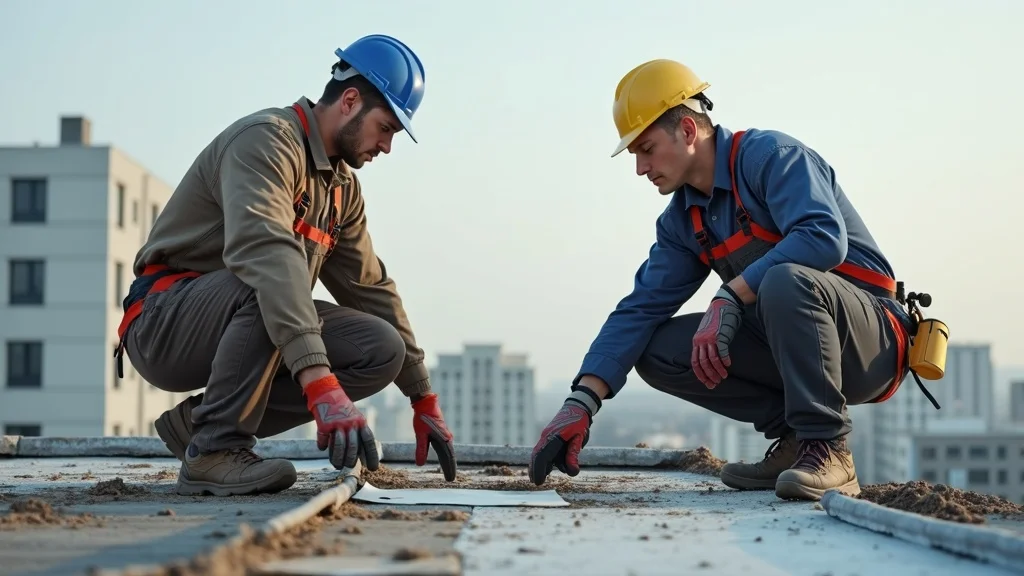
When it comes to protecting your home, the temptation to pick the lowest bid is understandable—but can result in greater risk. Low-bid contractors often cut corners, use inexperienced subcontractors, or skip vital safety measures to keep prices low. This approach frequently leads to improper installation, voided warranties, or even insurance troubles when things go wrong. Hiring a professional roofer who is factory-trained and certified provides dramatically better value and peace of mind. Pros like Fiddler Roofing follow best practices, adhere to local codes, and use high-quality materials to ensure every layer of your roof system performs as it should, especially through Western New York’s rough winters.
Always ask to see proof of insurance, certifications (such as MSA or manufacturer training), and references from recent local jobs. A reputable roofing contractor offers clear contracts, explains warranty coverage, and stands behind their work—unlike a “cheapest” contractor who may disappear the moment you pay. Remember, saving a bit up front can lead to massive repair costs down the road.
DIY Roof vs. Certified Local Roofer—Risks and Differences
Cutting corners: Using subcontractors and its dangers
Benefits of a factory-trained, MSA-certified professional roofer
Managing your own diy roof repair or relying on a crew with questionable experience can introduce subtle installation errors that weaken your entire roofing system. Certified pros use proper materials, safety protocols, and understand how WNY’s weather affects every decision. Work with a reputable local roofing contractor for genuine expertise and lasting results.
Roofing Mistake 3: Skipping Attic Ventilation—A Common Mistake
Effective attic ventilation is essential for comfort, efficiency, and the overall health of your roof. Skipping this crucial step is a common mistake that leads to moisture build-up, mold, and wood rot—threatening the integrity of your entire roofing system. Proper intake and exhaust ensure air circulates evenly, helping your home to combat both icy winters and scorching summers while preventing condensation from damaging insulation and roof supports. In WNY’s climate, balanced ventilation is non-negotiable for lasting protection and lowers energy bills by making your HVAC system more efficient.
Don’t overlook the hidden dangers of attic moisture. Even minor condensation can erode insulation, promote allergen growth, and cause premature wear to decking and shingles. Annual professional roof inspection ensures that your home’s attic ventilation stays balanced and productive, keeping you one step ahead of common roofing mistakes and expensive repairs.
Roof Repair Breakdowns: Moisture, Wood Rot, and Reduced Efficiency
Why attic ventilation matters for all four seasons
Best practices for maintaining balanced ventilation systems
Year-round, good attic airflow controls temperature and humidity extremes. Ensure both soffit (intake) and ridge (exhaust) vents are present and unblocked. A professional can determine the right balance for your roof style, so your insulation performs at peak and your roof repairs are minimized.
Roofing Mistake 4: Overlooking Insulation Upgrades for Roof Longevity
Insulation isn’t just about comfort—it directly impacts your energy bill, roof lifespan, and winter performance. Failing to upgrade insufficient attic insulation is a common roofing mistake in Western New York, where poor insulation causes unnecessary heat loss, pushes up energy bills, and accelerates ice dam formation. As a result, both your living costs and the risk of water and structural damage to your roof increase. Upgrading insulation is a one-time investment that pays off immediately in home comfort, reduced repair risks, and added roof longevity.
Expert roofers recommend checking your attic insulation levels each fall. Proper insulation slows the transfer of heat from the living area to the attic, helping to stabilize temperature, prevent condensation, and resist ice dam formation. High-performance, code-compliant insulation is especially important after roof repairs or replacement so your roofing system performs in the toughest WNY weather.
Insufficient Attic Insulation—The Hidden Cost of Winter Neglect
How poor insulation leads to higher heating bills and faster ice dam formation
Upgrades that maximize energy efficiency and roof lifespan
When insulation is lacking, your furnace has to work harder, leading to spiking winter energy bills while increasing risk for moisture infiltration and structural wear. Investing in an insulation upgrade means more than comfort—it safeguards your home, cuts costs, and preserves the durability of your roof for decades to come.
Roofing Mistake 5: Delaying Roof Replacement, Causing Expensive Roof Repairs
It’s tempting to put off roof replacement until you spot a small leak or missing shingles, but by then, much of the damage may already be done. Procrastination is among the most common roof mistakes and leads to water infiltration, hidden structural damage, and higher long-term repair costs. Regular roof inspections and timely replacements are crucial for catching early warning signs—cracked shingles, worn valleys, or rusted flashing—before they allow moisture inside your home or attic.
Delaying replacement can escalate simple roof repairs to major structural issues, including warped decking, insulation loss, and even mold growth. Scheduling a roof inspection every one to two years, or after severe weather, is best practice for proactive maintenance and helps you avoid expensive surprises. When it’s time to replace your roof, choose high-quality roofing materials proven to withstand extreme WNY winters.

Common Roofing Mistakes: Waiting Until You See Leaks
How small leaks turn into structural damage
Value of proactive roof inspection and timely roof repair
Small leaks can seep unseen for months, rotting beams and insulation. Don’t wait—set a roof inspection reminder at the end of fall and after spring thaw to catch issues before they turn into catastrophic repairs.
Roofing Mistake 6: Settling for Standard Shingles Over Premium Roofing Materials
Not all roofing materials are created equal—especially in Western New York, where high winds and lake-effect snow routinely test your roof’s strength. Opting for basic three-tab shingles is a common roof mistake that can lead to premature wear, wind lift, and shorter lifespans. Modern architectural shingles or premium composite options deliver superior durability, offer better warranties, and are engineered for the extreme climate found in our region. Investing in better roofing materials pays off quickly; you’ll see fewer repairs, better energy efficiency, and greater peace of mind even as storms batter your neighborhood each winter.
Ask your roofing contractor about high-wind and impact-resistant shingles, which are standard among professionals in WNY. The right roofing materials help you avoid storm damage, resist algae growth, and keep your roof looking great season after season.
Why Architectural Shingles or Superior Roofing Materials Matter in WNY
Three-tab vs. architectural: Differences in durability and warranties
How the right roofing materials withstand Western New York weather
Architectural shingles outperform three-tab varieties by a wide margin in durability, wind rating, and style. Their layered construction stands up to the unpredictable weather and high winds of Niagara and Erie counties, making them the smart choice for roof replacement or upgrades.
Roofing Mistake 7: Ignoring Gutters and Drainage—A Common Roof Repair Overlook
Neglecting your gutters is more than a seasonal nuisance—it’s one of the most overlooked roofing mistakes to avoid for Western New York homeowners. Clogged or misaligned gutters can freeze solid during winter, leading to ice backups that force meltwater under your shingles or overflow directly into your basement. Clean gutters not only prevent water damage and costly basement repairs but also minimize ice dam risks and keep your foundation safe all year.
Develop a fall and spring gutter cleaning routine, and inspect for proper pitch and leaks after major storms. Modern gutter guards can offer extra protection, especially in neighborhoods with heavy leaf drop. Never ignore overflowing, sagging, or rusted gutters—these are signs of pending trouble.

Clogged Gutters: Gateway to Ice Backup and Basement Flooding
Signs your gutters need cleaning or repairs
Strategies for gutter maintenance and drainage improvements
If you spot water spilling over the edges, standing pools around the foundation, or icicles hanging from gutter edges, it’s time to clean and inspect your gutters. Regular maintenance reduces repair costs and increases roof longevity, helping your roofing system perform through the nastiest weather.
Roofing Mistake 8: Poor Chimney Flashing—Leading to Costly Roof Repairs
Poor or deteriorated chimney flashing is a common mistake that contributes to many undiagnosed leaks in Western New York homes. Flashing is the thin metal barrier that directs water away from seams where your chimney or roof protrusions meet shingles—when improperly installed, it allows water to seep down, rot wood supports, and create unsightly stains on walls and ceilings.
Step flashing and counterflashing, installed by a professional roofer, provide superior leak resistance and last much longer than caulk or tars. Have flashing checked every few years as part of your routine roof inspection, especially after high winds or storms. Skipping this crucial detail can result in extensive water damage, costly repairs, and unnecessary headaches down the road.
Common Mistake: Overlooked or Improper Flashing Around Protrusions
Types of chimney flashing failures
Importance of proper step flashing and counterflashing
Lack of overlap, rusted metal, or gaps around the flashing are tell-tale signs it’s time for a roof repair or upgrade—invest early to keep leaks out and confidence high.
Roofing Mistake 9: Forgetting About Snow Load Threats on Roofing Materials
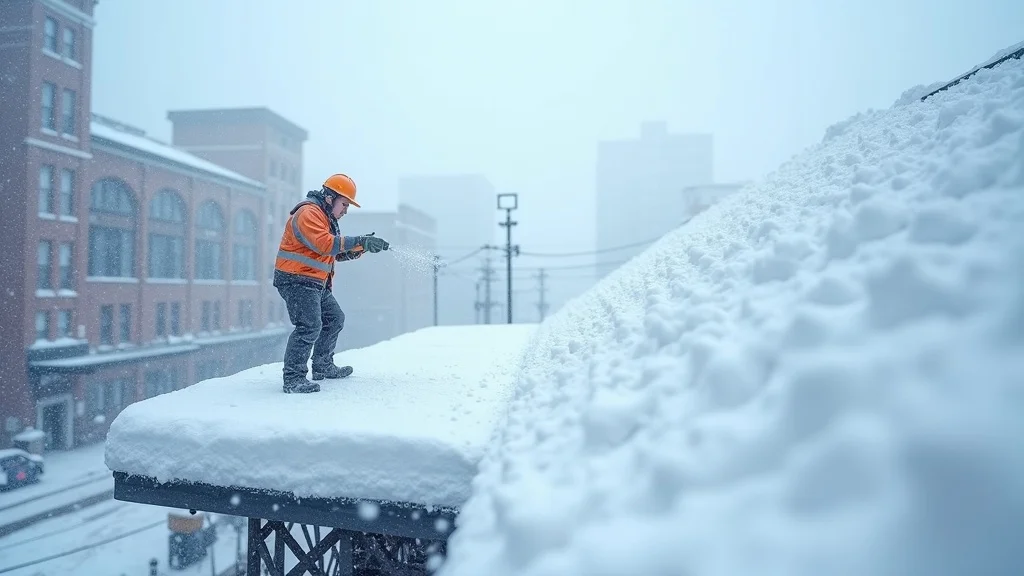
Heavy snow accumulation is a significant hazard for roofing in WNY, causing undue stress on flat and low-slope roofs. Forgetting to reinforce, remove excess snow, or install snow guards is one of the common roof mistakes that can lead to structural collapse, fast-tracked wear, or even personal injury. Local building codes in Niagara and Erie counties require specific snow load tolerances, which need to be considered every time a new roof is installed or repaired.
Working with a local professional roofer ensures your roof is evaluated for structural soundness and snow load management each winter. Add snow guards, reinforce decking, or consult a pro for emergency snow removal if accumulation threatens your home’s safety.
Heavy Snow and Ice: The Real Risk for Low-Slope Roofs
Snow guards, reinforcements, and WNY-specific roof designs
Proactively assessing and addressing roof snow load with snow guards and structural upgrades is cheaper than repairing a collapsed or failing roof later. Don’t let winter take you by surprise.
Roofing Mistake 10: Not Checking Warranties—A Common Roofing Mistake
Many homeowners assume their roof is fully protected, only to discover costly surprises when a claim is filed. Not checking the fine print of your roofing contract is a common mistake—some warranties exclude wind or ice damage, two of the most frequent threats in Western New York. Work only with certified installers whose labor and material warranties remain valid, even under the region’s harsh conditions. A professional roofer will review warranty limitations with you and document compliance throughout the installation process, protecting your investment against denied claims and expensive repairs.
Insist on receiving your final warranty paperwork after inspection, and store it safely for emergency reference. Whenever you schedule a roof repair or replacement, verify that the contractor’s work won’t void future warranty rights and that all products and labor comply with the manufacturer’s standards.
Roofing Contract Details: Wind, Ice, and Warranty Exclusions
Reading the fine print—what most homeowners miss
Why certification by local installers matters for warranty validity
If you notice vaguely worded guarantees or unclear coverage terms, ask your roofing contractor for clarification before work begins—it’s your safeguard against future disputes and repair costs.
Roofing Mistake 11: DIY Roof Repairs in the Wrong Season
It’s a tough lesson—roof repairs done in freezing temperatures often fail, introducing even worse leaks when spring arrives. Many adhesives and sealants needed for proper roof repair simply do not cure properly under 40°F, turning well-intentioned diy roof fixes into a recipe for disaster. Attempting diy roof repair in the heart of a WNY winter is a common roofing mistake that professional roofers know to avoid. Instead, leave repairs and installation to certified local pros who use specialized techniques and materials designed for cold-weather performance.
If you discover damage during a cold snap, cover the affected area temporarily and call a professional roofer at the first opportunity. Proper repairs, conducted in the right season, can save thousands in future water damage and avoid unnecessary safety risks from icy or snowy roof surfaces.
Risks of DIY Roof Repair During Harsh WNY Winters
Why cold-weather repairs often fail (and leak again)
Techniques and adhesives needed for success in sub-freezing temperatures
When to call a professional roofer instead of DIY
Rule of thumb: If you’re wearing a heavy coat, it’s too cold for most roofing materials to set or adhere properly. Wait for professional-grade repairs in spring or on a mild stretch for longer-lasting results.
Roofing Mistake 12: Not Working With a Local Expert Roofing Contractor
Many national companies aren’t familiar with the specific building codes, seasonal threats, and best practices unique to Western New York. Not working with a local expert is a common mistake that can lead to missed code requirements, winterproofing errors, or substandard materials unsuited for the climate. Only a truly local professional roofer can tailor your roof to thrive during Buffalo’s 100-inch winters, and knows what’s required for permits, inspections, and insurance for homes in Niagara and Erie counties.
Supporting a local contractor isn’t just about expertise—it’s about investing in your community. Local firms provide faster emergency service, ongoing warranty support, and advice tailored to our region. Their commitment and reputation are built on years of standing behind their work for neighbors and friends.
Common Roofing Mistakes Made by Non-Local or National Roofing Companies
How local experts comply with WNY building codes and weatherproofing
Benefits of supporting local professional roofer specialists
Before you sign any roofing contract, ask if the company has experience with Western New York homes, winters, and code requirements. Choose local for safer, smarter, and longer-lasting results.
Key Takeaways: Avoiding Common Roofing Mistakes for Long-Term Protection
Always work with a certified, local roofing contractor
Schedule regular roof inspection and preventive roof repairs
Insist on quality roofing materials and proper attic insulation
Keep gutters clean and assess snow load risk every winter
Watch a seasoned local roofer guide you through a full WNY roof inspection: identifying common roofing mistakes, seasonal threats, best practices for repairs, and installation tips specific to our climate. See expert flashing methods, correct attic insulation, and real-life homes in Niagara and Erie counties—delivered in crisp 4K for clear, actionable advice.
People Also Ask: Essential Roofing Mistakes to Avoid FAQs
What is the 25% rule for roofing?
The 25% rule generally means that if 25% or more of your roof’s surface is damaged, local codes may require a full roof replacement instead of patchwork repairs. This is especially relevant in harsh Western New York climates where roof integrity is critical for seasonal changes.
How can you tell a good roofer?
A good roofer is licensed, insured, local, and has strong reviews or references. They use written contracts, explain warranties, prioritize safety measures, and are familiar with Western New York’s unique weather and building codes.
How to not get ripped off by roofer?
Always verify credentials, read the roofing contract carefully, beware of unusually low bids, and avoid putting down large deposits before work begins. Choose a professional roofer with proven experience in your area.
How can you tell a dodgy roofer?
Warning signs include lack of proper licensing, requiring cash up front, no written roofing contract, vague warranties, and reluctance to provide references or proof of insurance. Dodgy roofers may pressure for immediate decisions or suggest unnecessary roof repairs.
FAQs: Roofing Mistakes to Avoid in Western New York
What are the signs that my roof needs attention before winter in WNY? Look for curled or missing shingles, granule loss, sagging gutters, water stains inside, or visible ice dams. Schedule a professional roof inspection if you see any of these red flags.
Are modern roofing materials better suited for snow and ice? Yes. Modern architectural shingles, metal options, and composite roofing materials now offer higher wind and snow shedding ratings—ideal for protecting Western New York homes year-round.
How often should I schedule a professional roof inspection? At minimum, schedule a comprehensive roof inspection every 1-2 years, and again after major storms or visible damage. Proactive checks minimize repair costs and lengthy insurance claims.
Conclusion: Protect Your Roof by Avoiding Common Roofing Mistakes
With the right materials and a trusted local expert, you can avoid the most common roofing mistakes and ensure your Western New York roof stands strong for decades.
“Your roof is too important to trust to guesswork—consult a Western New York roofing specialist to safeguard your home.” – Local Roofing Expert
If you’re ready to take your roof protection to the next level, consider not just what to avoid, but how to communicate and collaborate effectively with your roofing team. Discover practical advice on safety, clear expectations, and project management in our guide to effective communication and safety tips for roof replacement. By mastering these advanced strategies, you’ll ensure a smoother project, stronger results, and a safer experience for everyone involved. Explore these insights to empower your next roofing project and safeguard your investment for years to come.
Get Trusted Help: Call Fiddler Roofing at 716 284 1322 to Schedule Your Inspection
Ready for peace of mind? Avoid costly errors and weatherproof your home—call Fiddler Roofing today at 716 284 1322 for expert local service across Niagara and Erie counties.